
Massage therapy is more than a feel-good treat at the spa and it now stands as a holistic practice shown to help both body and mind. Studies reveal that nearly 25 percent of adults in the United States have used massage therapy for health reasons, which might come as a shock to anyone who still thinks it is just about relaxation. The real surprise is how deeply science backs its benefits and how targeted techniques can make a measurable difference in your everyday life.
Table of Contents
- What Is Massage Therapy And Its Purpose?
- The Benefits Of Massage Therapy For Physical And Mental Health
- How Massage Techniques Work To Relieve Tension And Pain
- Key Concepts And Modalities In Massage Therapy Explained
- The Role Of Professional Practitioners And Client Experiences
Quick Summary
| Takeaway | Explanation |
|---|---|
| Massage therapy promotes holistic wellness | It systematically manipulates soft body tissues to improve both physical and psychological health. |
| Targeted techniques address specific health issues | Registered Massage Therapists use specialized methods for conditions like chronic pain and stress relief. |
| Massage boosts both physical and mental health | It enhances circulation, reduces tension, lowers stress hormones, and improves emotional well-being. |
| Professional practitioners enhance treatment effectiveness | Trained therapists create customized treatment plans that prioritize client comfort and therapeutic goals. |
| Multiple modalities cater to individual needs | Diverse techniques, such as Swedish and deep tissue massage, are tailored for various wellness objectives. |
What Is Massage Therapy and Its Purpose?
Massage therapy is a holistic healthcare practice involving systematic manipulation of soft body tissues to promote physical and psychological wellness. At its core, massage therapy uses strategic touch techniques to address muscle tension, improve circulation, reduce stress, and support overall bodily healing processes.
Understanding the Fundamental Principles
Massage therapy represents a sophisticated approach to wellness that goes beyond simple relaxation. Practitioners use specialized hands-on techniques targeting muscles, tendons, ligaments, and connective tissues to stimulate natural healing mechanisms. These techniques can range from gentle, flowing strokes to deep pressure interventions designed to address specific muscular challenges.
Key principles underlying massage therapy include:
- Promoting body awareness and physical alignment
- Supporting natural healing processes
- Reducing muscular tension and stress responses
- Enhancing overall physiological functioning
Therapeutic Goals and Applications
The purpose of massage therapy extends far beyond momentary comfort. Registered Massage Therapists (RMTs) work systematically to address specific health conditions, manage chronic pain, support injury recovery, and improve overall physical and mental well-being. By applying targeted pressure and movement techniques, therapists can help clients manage conditions such as:
- Chronic muscle tension
- Postural misalignments
- Stress-related physical symptoms
- Recovery from soft tissue injuries
- Preparing athletes for performance and recovery
Modern massage therapy integrates traditional healing practices with contemporary scientific understanding. Learn more about our therapeutic approaches and discover how personalized massage interventions can transform your wellness journey. Whether you are seeking relief from specific physical challenges or aiming to enhance overall body functionality, massage therapy offers a comprehensive, non-invasive approach to health management.
The Benefits of Massage Therapy for Physical and Mental Health
Massage therapy emerges as a powerful holistic approach to wellness, offering profound benefits that extend well beyond momentary relaxation. By addressing both physical and psychological dimensions of health, massage provides a comprehensive intervention that supports overall human well-being.
Physical Health Advantages
Scientific research demonstrates massage therapy’s remarkable ability to enhance physical functioning and support healing processes. The strategic manipulation of soft tissues triggers multiple physiological responses that contribute to improved bodily health.
Key physical benefits include:
- Reducing muscle tension and alleviating chronic pain
- Improving blood circulation and lymphatic drainage
- Enhancing flexibility and range of motion
- Supporting faster injury recovery and rehabilitation
- Boosting immune system functionality
Mental and Emotional Wellness Impact
Beyond physical restoration, massage therapy plays a crucial role in mental health management. The therapeutic touch activates the body’s parasympathetic nervous system, which helps counteract stress responses and promotes deep relaxation. Learn more about our holistic wellness approach and understand how targeted massage interventions can transform mental well-being.
Psychological benefits encompass:
- Reducing symptoms of anxiety and depression
- Lowering cortisol stress hormone levels
- Promoting better sleep quality
- Enhancing overall emotional regulation
- Improving body awareness and mindfulness
The interconnected nature of physical and mental health means that massage therapy offers a truly integrative approach to wellness. By addressing muscular tension, improving circulation, and supporting neurological relaxation, massage provides a comprehensive strategy for maintaining optimal health and preventing potential medical complications.
How Massage Techniques Work to Relieve Tension and Pain
Massage therapy represents a sophisticated approach to addressing muscular tension and pain through precise, intentional manipulation of soft body tissues. By understanding the underlying biomechanical and neurological processes, we can appreciate how strategic touch can transform physical discomfort and promote healing.
Neurological Mechanisms of Pain Relief
Scientific research reveals that massage techniques activate complex neurological responses that directly influence pain perception and stress management. When specific pressure and movement techniques are applied, the body initiates several critical physiological reactions:
Key neurological responses include:
- Stimulating parasympathetic nervous system activation
- Reducing cortisol stress hormone levels
- Releasing endorphins and natural pain-blocking chemicals
- Interrupting pain signal transmission to the brain
- Promoting overall nervous system relaxation
Biomechanical Tissue Manipulation Strategies
Massage therapists employ targeted techniques designed to address specific muscular and soft tissue challenges. Deep tissue manipulation helps break down adhesions, release muscle knots, and restore optimal tissue functionality. Explore our advanced massage therapy techniques to understand how precise interventions can transform physical tension.
Critical biomechanical benefits include:
- Improving blood and lymphatic circulation
- Reducing muscle rigidity and increasing flexibility
- Realigning misaligned muscle fibers
- Supporting faster tissue repair and recovery
- Releasing trapped metabolic waste products
By comprehensively addressing both neurological and biomechanical dimensions, massage therapy offers a holistic approach to pain management and physical restoration. The intricate interplay between therapeutic touch and the body’s natural healing mechanisms creates a powerful pathway to wellness, allowing individuals to experience profound physical relief and improved overall functionality.
Key Concepts and Modalities in Massage Therapy Explained
Massage therapy encompasses a sophisticated range of techniques and approaches designed to address diverse physical and psychological wellness needs. Understanding the fundamental concepts and various modalities helps clients make informed decisions about their therapeutic interventions.
Foundational Massage Therapy Concepts
Scientific literature highlights the complexity of massage as a holistic healing practice. At its core, massage therapy involves systematic manipulation of soft body tissues through precise pressure, movement, and touch techniques that stimulate physiological responses and promote healing.
Key foundational concepts include:
- Holistic body-mind interconnectedness
- Individual physiological response variations
- Therapeutic intention and client-centered approach
- Understanding body mechanics and tissue responses
- Importance of professional assessment and customization
Diverse Massage Therapy Modalities
Massage therapy offers multiple specialized approaches tailored to specific wellness goals. Registered Massage Therapists utilize techniques ranging from gentle relaxation to intense therapeutic interventions. Discover our comprehensive massage therapy techniques to understand the nuanced approaches available.
Primary massage modalities encompass:
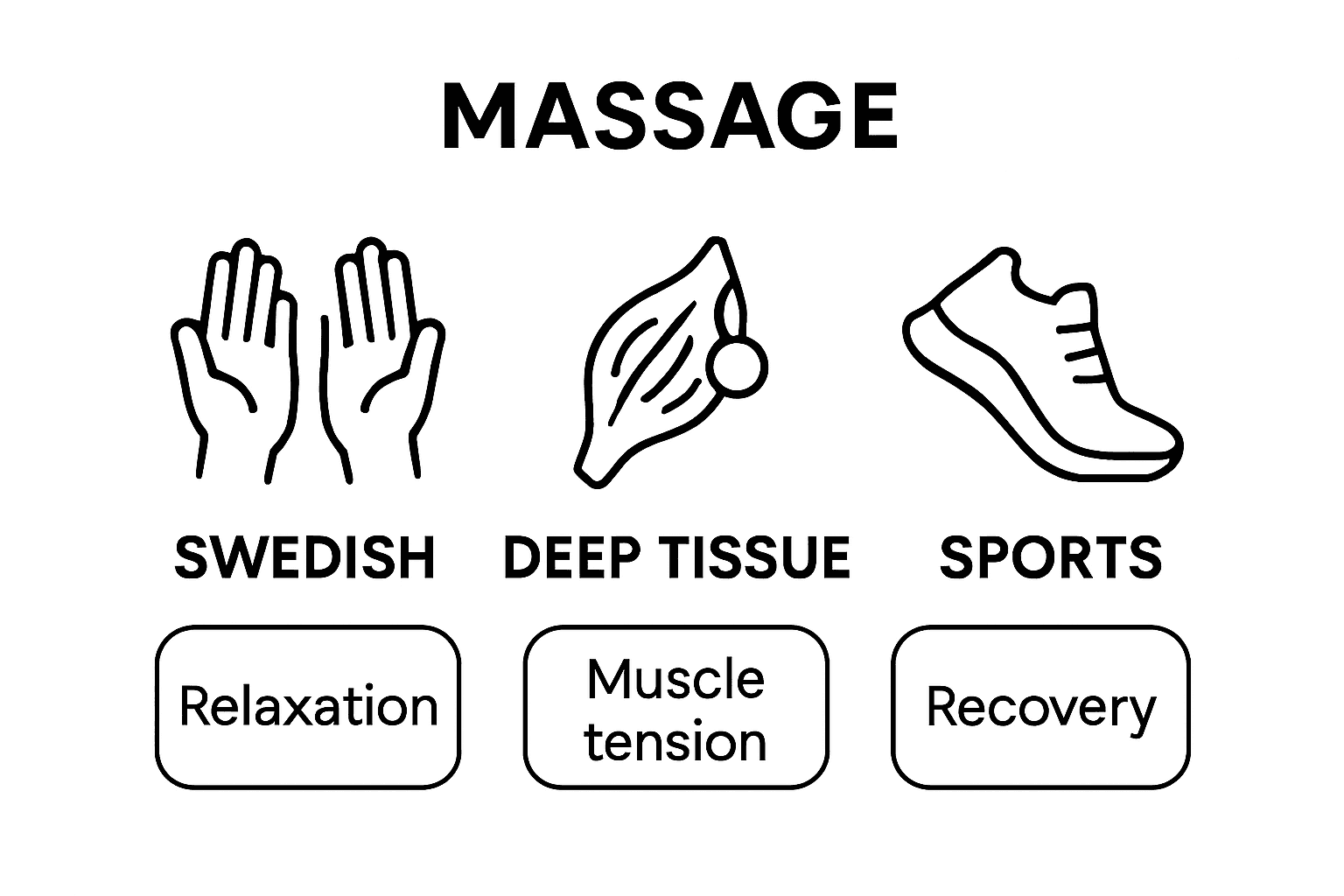
- Swedish massage for overall relaxation
- Deep tissue massage for chronic muscle tension
- Myofascial release targeting connective tissue
- Sports massage for athletic performance and recovery
- Prenatal massage supporting maternal wellness
Each modality represents a sophisticated approach to healing, carefully designed to address unique physiological and psychological needs.
To help clarify the differences between common massage therapy modalities and their primary uses, here is a comparison table summarizing the characteristics of each type mentioned in this article.
| Modality | Key Characteristics | Primary Focus |
|---|---|---|
| Swedish Massage | Gentle, flowing strokes | Overall relaxation and stress reduction |
| Deep Tissue Massage | Firm pressure, slow movements | Chronic muscle tension and adhesion relief |
| Myofascial Release | Sustained pressure on connective tissue | Addressing fascia-related restrictions |
| Sports Massage | Stretching, targeted techniques | Athletic performance and recovery |
| Prenatal Massage | Adapted positioning for comfort and safety | Maternal wellness during pregnancy |
This table outlines the foundational concepts of massage therapy, providing quick definitions for each to make it easier to understand the holistic approach described in the article.
| Concept | Definition |
|---|---|
| Holistic body-mind interconnectedness | The recognition that physical and mental health are deeply linked |
| Individual physiological responses | Clients react differently to techniques and touch |
| Therapeutic intention | Purposeful focus on healing tailored to client needs |
| Body mechanics understanding | Knowledge of how the body moves and functions |
| Professional assessment customization | Adapting plans based on client evaluation by a qualified practitioner |
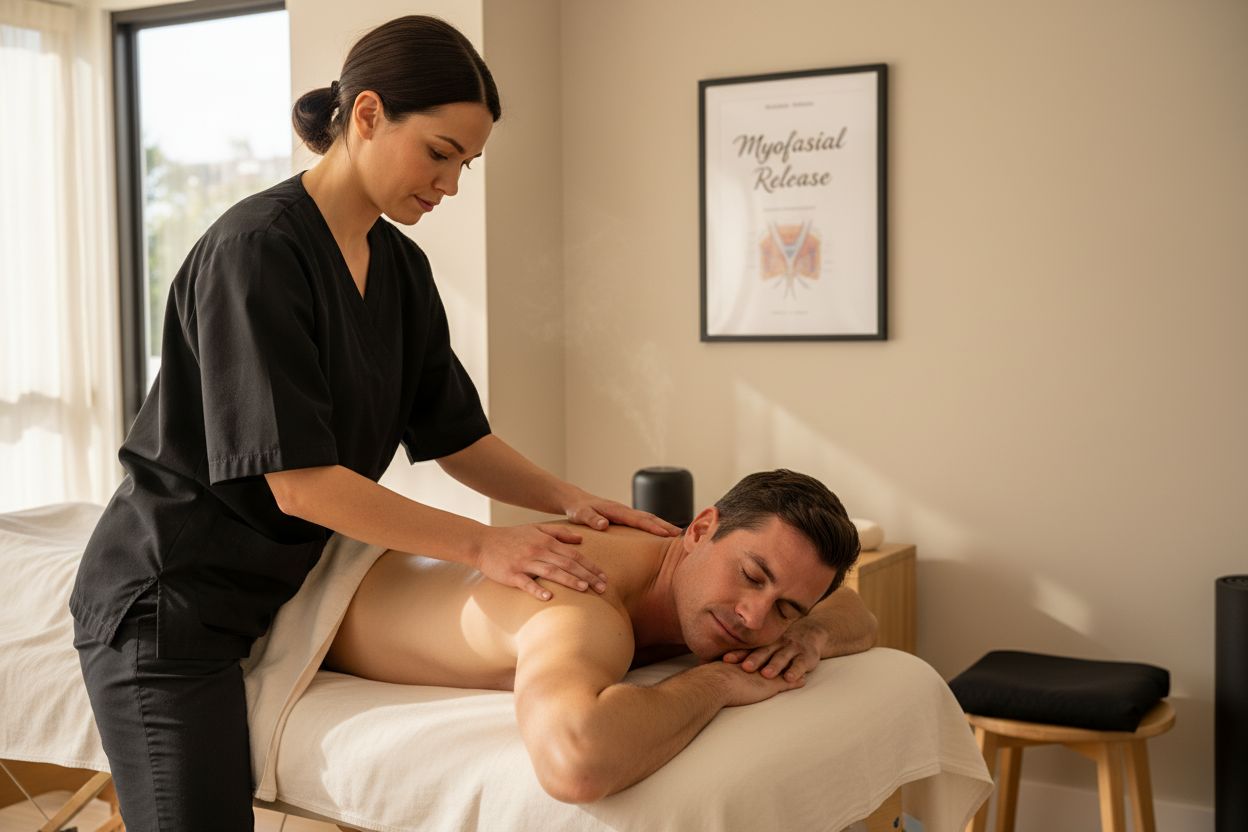
The Role of Professional Practitioners and Client Experiences
Professional massage therapy transcends technical skill, representing a nuanced interaction between highly trained practitioners and clients seeking holistic wellness. The quality of therapeutic relationships and practitioner expertise significantly influence treatment outcomes and overall client satisfaction.
Professional Practitioner Qualifications
Research demonstrates that effective massage therapy requires comprehensive training, deep anatomical knowledge, and sophisticated interpersonal skills. Registered Massage Therapists (RMTs) undergo rigorous educational programs that encompass complex understanding of human physiology, biomechanics, and therapeutic intervention strategies.
Key professional competencies include:
- Advanced anatomy and physiological understanding
- Precise manual manipulation techniques
- Clinical assessment and treatment planning skills
- Professional ethics and client communication
- Continuous professional development commitment
Creating Positive Client Therapeutic Experiences
Successful massage therapy extends beyond technical proficiency to include creating a supportive, comfortable environment that promotes healing and trust. Learn more about our personalized approach to understanding individual client needs and delivering transformative wellness experiences.
Essential elements of client experience encompass:
- Comprehensive initial health consultations
- Individualized treatment planning
- Clear communication about treatment expectations
- Consent and comfort management
- Post treatment guidance and recommendations
Professional massage practitioners serve as skilled health partners, combining technical expertise with empathetic understanding to support clients comprehensive wellness journeys. By prioritizing both scientific knowledge and compassionate care, they create therapeutic experiences that address physical challenges while nurturing overall well-being.
Transform Knowledge Into Lasting Relief With Verdure RMT in Toronto
You have just learned how massage therapy relieves pain, reduces stress, and promotes healing. But the real challenge is finding skilled hands that deliver these results while focusing on what matters to you—your comfort, specific health goals, and ongoing well-being. If muscle tension, postural imbalance, or anxiety are holding you back, it is time to turn information into transformative action.
Explore the advanced therapeutic techniques offered at Verdure Registered Massage Therapy. Our experienced RMTs in Toronto specialize in personalized sessions that go beyond relaxation to address chronic pain, recovery, and total mind-body relief. Ready to experience science-backed, individualized care in a welcoming setting? Book your first session now and start your path to restored wellness today.
Frequently Asked Questions
What is massage therapy?
Massage therapy is a holistic healthcare practice that involves systematic manipulation of soft body tissues to promote physical and psychological wellness. It aims to address muscle tension, improve circulation, reduce stress, and support overall bodily healing processes.
What are the primary benefits of massage therapy?
Massage therapy provides multiple benefits, including reducing muscle tension, alleviating chronic pain, enhancing flexibility, improving blood circulation, supporting faster injury recovery, and promoting mental wellness by reducing anxiety and improving sleep quality.
How does massage therapy relieve tension and pain?
Massage therapy relieves tension and pain through neurological mechanisms and biomechanical tissue manipulation. It stimulates the parasympathetic nervous system, reduces cortisol levels, releases endorphins, and improves blood circulation, which collectively contribute to pain relief and relaxation.
What are the different types of massage therapy modalities?
Different types of massage therapy modalities include Swedish massage for relaxation, deep tissue massage for chronic muscle tension, myofascial release for targeting connective tissues, sports massage for athletic performance, and prenatal massage that supports maternal wellness.