
Nearly 80 percent of adults experience back pain at some point in their lives, often searching for lasting relief. If stubborn muscle knots or chronic tension disrupt your routine, finding an effective solution becomes urgent. Deep tissue techniques offer a focused approach designed to target these deeper muscle problems, providing strategies that reach well beyond ordinary massage for those seeking real, therapeutic change.
Table of Contents
- What Are Deep Tissue Techniques?
- Key Methods and Manual Approaches
- Benefits of Deep Tissue Massage Therapy
- Risks, Contraindications, and Safety Considerations
- Deep Tissue Massage Versus Other Techniques
- What to Expect During Your Session
Key Takeaways
| Point | Details |
|---|---|
| Deep Tissue Techniques | Target chronic muscle tension through slow, precise strokes and direct pressure on deeper muscle layers. |
| Therapeutic Benefits | Offers significant relief from muscle pain, improves blood circulation, and reduces stress and anxiety. |
| Risks and Contraindications | Certain medical conditions require caution; always consult with a healthcare provider before undergoing treatment. |
| Session Experience | Expect a gradual buildup from lighter techniques to targeted deep pressure, with ongoing communication necessary for comfort. |
What Are Deep Tissue Techniques?
Deep tissue techniques are specialized massage approaches designed to target chronic muscle tension and pain by working with the deeper layers of muscle and connective tissue. According to nuhs.edu, these techniques involve slow, precise strokes and direct pressure that penetrate far beneath the body’s surface to break down muscular adhesions and restore normal movement.
Unlike gentler massage styles that focus on surface relaxation, deep tissue techniques are therapeutic interventions specifically crafted to address complex musculoskeletal challenges. Healthline emphasizes that these methods are particularly effective for treating sports injuries, muscle strains, and chronic pain conditions by applying sustained, strategic pressure across muscle fibers.
Key Characteristics of Deep Tissue Techniques:
- Slow, deliberate stroke patterns
- Concentrated pressure applied directly to muscle layers
- Focus on breaking down scar tissue and muscle knots
- Strategic friction movements against muscle grain
- Designed to increase blood circulation and reduce inflammation
While deep tissue techniques can provide significant relief, they require advanced training and precise application. Understanding how massage aids healing naturally can help clients appreciate the nuanced approach these techniques demand. Registered massage therapists carefully assess individual muscle conditions and tailor their approach to ensure both therapeutic effectiveness and client comfort.
Key Methods and Manual Approaches
Deep tissue massage encompasses several sophisticated manual techniques designed to address complex muscular challenges. According to the Australian Natural Therapists Association, practitioners utilize specialized methods like stripping, which involves slow, deliberate gliding strokes along muscle fibers using various body parts including knuckles, thumbs, elbows, and forearms.
Core Deep Tissue Manipulation Techniques include:
- Stripping: Slow, directional strokes along muscle fibers
- Friction: Cross-fiber pressure to break muscle adhesions
- Trigger Point Therapy: Sustained pressure on specific muscular tension points
- Compression: Consistent pressure to improve muscle circulation
- Myofascial Release: Gentle sustained pressure on connective tissues
The deepmassage.co.uk research highlights that advanced techniques like myofascial release are particularly crucial. This method applies gentle, sustained pressure to connective tissues surrounding muscles, helping to relieve restrictions and significantly increase overall mobility. Therapists carefully assess each client’s unique muscular landscape, selecting and combining techniques to provide targeted, therapeutic intervention.
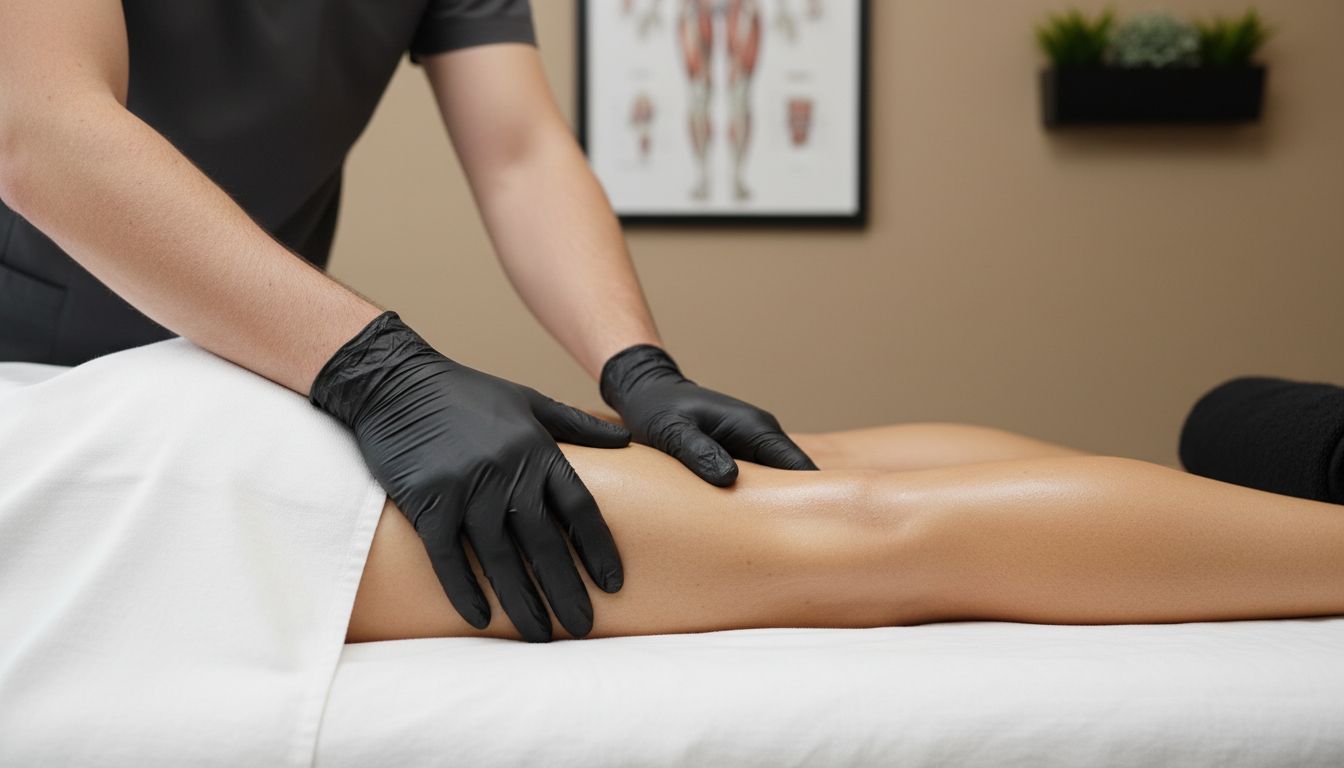
Here’s a comparison of the main deep tissue massage techniques:
| Technique | Description | Primary Purpose |
|---|---|---|
| Stripping | Slow gliding along muscle fibers | Release tension Lengthen muscle |
| Friction | Cross-fiber pressure | Break adhesions Reduce knots |
| Trigger Point Therapy | Sustained pressure on specific points | Relieve localized pain |
| Compression | Consistent applied pressure | Improve circulation Relax muscle |
| Myofascial Release | Gentle, sustained connective tissue work | Increase mobility Reduce restrictions |
Each technique requires precise skill and understanding of human anatomy. Myofascial Release Therapy in Toronto explores how these nuanced approaches can transform chronic muscular tension, demonstrating that deep tissue work is both an art and a science of healing.
Benefits of Deep Tissue Massage Therapy
Healthline reveals that deep tissue massage offers remarkable physical and psychological benefits beyond typical relaxation techniques. These specialized massage approaches provide comprehensive healing by addressing both muscular tension and mental stress, making them a powerful therapeutic intervention for individuals experiencing chronic pain or heightened stress levels.
Key Benefits of Deep Tissue Massage:
- Significant muscle pain and stiffness reduction
- Stress and anxiety management
- Improved blood circulation
- Enhanced muscle recovery and rehabilitation
- Chronic pain condition management
- Natural inflammation reduction
According to Medical News Today, deep tissue techniques can produce profound physiological changes, including improving blood pressure and reducing overall inflammation. By applying targeted pressure and strategic manipulation, massage therapists help clients experience both immediate relief and long-term wellness improvements.
These therapeutic benefits extend beyond physical healing. Whole Body Massage Benefits for Holistic Wellness demonstrates how comprehensive bodywork can transform not just muscular health, but overall mental and emotional well-being. Deep tissue massage isn’t merely a treatment—it’s a holistic approach to restoring balance and promoting natural healing within the body.
Risks, Contraindications, and Safety Considerations
Deep tissue massage, while incredibly beneficial, is not a one-size-fits-all treatment. Healthline warns that certain medical conditions can make this therapeutic approach potentially risky or inappropriate for some individuals. Understanding these limitations is crucial for ensuring safe and effective treatment.
Medical Conditions Requiring Caution:
- Blood clotting disorders
- Osteoporosis
- Active cancer, especially bone metastasis
- Recent fractures
- Nerve injuries
- Individuals taking blood thinners
According to Hinge Health, individuals with specific health challenges should always consult their healthcare provider before undergoing deep tissue massage. The intense pressure and manipulative techniques can cause complications for those with underlying medical conditions, potentially exacerbating existing health issues.
Professional massage therapists prioritize client safety by conducting thorough health screenings and maintaining open communication. 7 Massage Techniques for Pain Relief emphasizes the importance of personalized assessment, ensuring that each treatment is tailored to the individual’s unique physical condition and health history. When in doubt, always prioritize medical guidance and transparent dialogue with your massage professional.
Deep Tissue Massage Versus Other Techniques
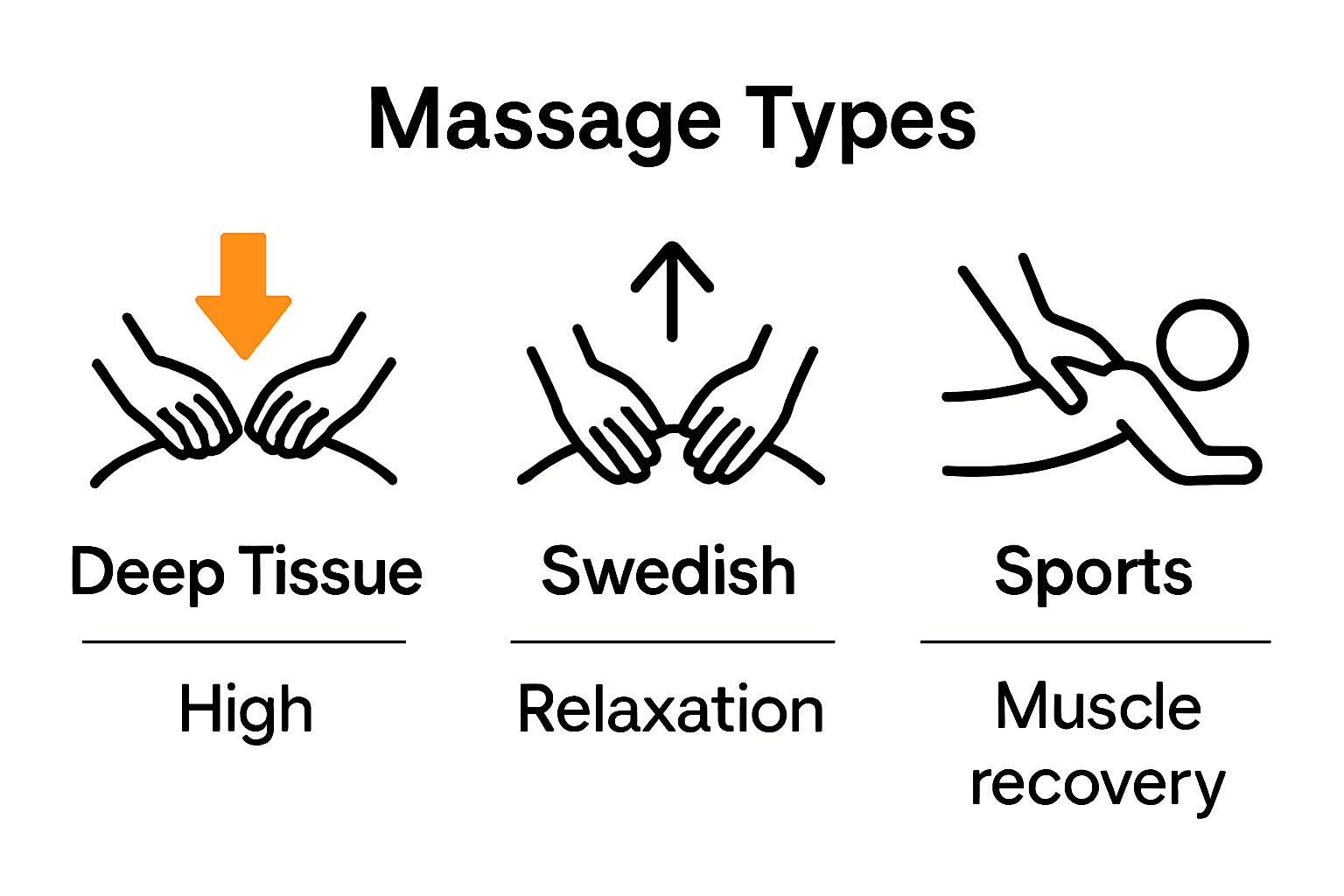
Healthline highlights the critical distinctions between deep tissue massage and other therapeutic techniques. Unlike traditional relaxation-focused approaches, deep tissue massage employs specialized strategies targeting deeper muscular layers with more intense, purposeful pressure to address chronic pain and structural muscle challenges.
Key Technique Comparisons:
- Deep Tissue Massage: Slow, forceful strokes targeting deep muscle layers
- Swedish Massage: Gentle, superficial strokes promoting relaxation
- Sports Massage: Focused on athletic performance and injury prevention
- Trigger Point Therapy: Concentrated pressure on specific muscle knots
- Myofascial Release: Sustained pressure on connective tissue
According to Medical News Today, deep tissue techniques distinguish themselves by their therapeutic intent. While other massage styles prioritize general relaxation, deep tissue massage strategically addresses musculoskeletal issues, making it a more targeted intervention for individuals experiencing chronic pain or specific muscle dysfunction.
Understanding Therapeutic Massage Differences underscores that each massage technique serves a unique purpose. Deep tissue massage isn’t just another relaxation method—it’s a precision-based approach designed to rehabilitate and restore muscular function, offering a more intensive healing experience compared to gentler massage modalities.
What to Expect During Your Session
Healthline explains that deep tissue massage is a nuanced therapeutic experience that begins with careful preparation. Your therapist will start by warming up your muscles using lighter, gentler touch, gradually transitioning to more intensive techniques designed to address specific muscular challenges and tension points.
Session Progression Stages:
- Initial consultation and health assessment
- Muscle warm-up with gentle techniques
- Targeted deep pressure application
- Strategic muscle and connective tissue manipulation
- Potential areas of temporary discomfort
- Post-massage recovery guidance
According to Medical News Today, clients should anticipate slow, deliberate strokes that penetrate deeper muscle layers. These techniques may produce momentary discomfort but are strategically designed to release chronic muscle tension and promote long-term healing. Some individuals might experience mild soreness following the session, which is a normal part of the body’s healing response.
Massage Therapy for Beginners: Achieve Relaxation and Relief highlights that communication with your massage therapist is key. Don’t hesitate to discuss your comfort levels, pain threshold, and specific areas of concern. A professional therapist will continuously check in and adjust pressure to ensure a therapeutic yet comfortable experience tailored to your individual needs.
Discover Lasting Relief with Expert Deep Tissue Techniques
If you are dealing with chronic muscle tension, persistent pain, or limited mobility, understanding deep tissue techniques is just the first step. These targeted methods can unlock tight muscles and increase circulation, but skilled hands are essential for safe and effective treatment. At Verdure Registered Massage Therapy, our experienced therapists specialize in precise deep tissue massage, myofascial release, and other advanced therapies designed to dissolve muscle knots and restore your body’s natural balance.

Take control of your wellness journey today with personalized care from a Toronto‑based holistic clinic that truly listens. Find out how our tailored deep tissue sessions can reduce pain, enhance recovery, and renew your energy. Visit Verdure Registered Massage Therapy and explore services like myofascial release therapy and whole body massage for holistic wellness. Book now for a healing experience that goes beyond relaxation and delivers real, lasting results.
Frequently Asked Questions
What are deep tissue techniques?
Deep tissue techniques are specialized massage approaches that target chronic muscle tension and pain by working with deeper layers of muscle and connective tissue. They involve slow, precise strokes and direct pressure to break down muscular adhesions and restore normal movement.
How do deep tissue techniques differ from other types of massage?
Deep tissue techniques focus on penetrating deeper muscular layers with intense, purposeful pressure to address chronic pain and structural issues, in contrast to gentler styles like Swedish massage, which prioritize surface relaxation.
What are the benefits of deep tissue massage therapy?
Deep tissue massage offers numerous benefits, including significant reductions in muscle pain and stiffness, stress and anxiety management, improved blood circulation, enhanced muscle recovery, and natural inflammation reduction.
Are there any risks or contraindications associated with deep tissue massage?
Yes, individuals with certain medical conditions such as blood clotting disorders, osteoporosis, recent fractures, or those taking blood thinners should consult a healthcare provider before undergoing deep tissue massage, as it may not be safe for them.
Recommended
- 7 Massage Techniques for Pain Relief You Should Try – Verdure Registered Massage Therapy
- Massage Therapy for Beginners: Achieve Relaxation and Relief – Verdure Registered Massage Therapy
- Understanding Therapeutic Massage Differences for Wellness – Verdure Registered Massage Therapy
- Understanding Swedish Massage: Benefits and Techniques Explained – Verdure Registered Massage Therapy