
Over 80 percent of adults experience persistent stress that can affect both body and mind. Finding effective ways to unwind is not just a luxury but a real necessity. Relaxation massage uses gentle, proven techniques to calm the nervous system, slow the heart rate, and lower blood pressure. Discover which styles and methods bring deep relief, and why these approaches stand out for creating sustained, meaningful relaxation.
Table of Contents
- Defining Relaxation Massage Techniques
- Popular Relaxation Massage Styles Explained
- Core Techniques And Step-By-Step Process
- Therapeutic Benefits And Session Expectations
- Safety Considerations And Therapist Qualifications
- Comparing Relaxation Massage To Other Approaches
Key Takeaways
| Point | Details |
|---|---|
| Relaxation Massage Focus | This technique prioritizes gentle, flowing strokes to promote holistic well-being and stress reduction, rather than targeting specific injuries. |
| Popular Styles | Key relaxation massage styles include Swedish massage, chair massage, and reflexology, each catering to varying wellness preferences. |
| Core Techniques | Essential components of relaxation massage include deep breathing, progressive muscle relaxation, and visualization to foster both physical and mental calm. |
| Therapeutic Benefits | Regular sessions can offer significant benefits such as stress alleviation, improved sleep quality, and better digestive function, enhancing overall wellness. |
Defining Relaxation Massage Techniques
Relaxation massage is a therapeutic approach designed to help individuals achieve physical and mental tranquility through intentional, systematic bodywork. According to Health Cornell, massage fundamentally involves “the systematic manual application of pressure and movement to the body’s soft tissues” with the primary goal of promoting holistic wellness and stress reduction.
At its core, relaxation massage differs from other massage styles by focusing on gentle, flowing techniques that activate the body’s natural relaxation response. Mayo Clinic describes this process as a method that helps “reduce stress by eliciting the body’s relaxation response,” which includes critical physiological changes like:
- Slowing heart rate
- Lowering blood pressure
- Reducing muscle tension
- Promoting overall nervous system calm
The primary objective of relaxation massage is not to address specific muscular injuries or chronic pain conditions, but to create a comprehensive sense of bodily and mental ease. Practitioners use gentle, smooth strokes that help release accumulated tension, encourage improved circulation, and support the body’s natural ability to reset and recover from daily stressors. By creating a nurturing, supportive environment and employing techniques that signal safety to the nervous system, relaxation massage becomes a powerful tool for managing stress and enhancing overall well-being.
Popular Relaxation Massage Styles Explained
Relaxation massage encompasses several distinctive styles, each offering unique approaches to promoting physical and mental well-being. Taking Charge highlights three primary relaxation massage techniques that cater to different preferences and needs: Swedish massage, chair massage, and reflexology.
Swedish massage stands out as the most traditional and widely practiced relaxation technique. Characterized by long, gliding strokes and gentle kneading, this style aims to create a comprehensive sense of calm and muscular release.
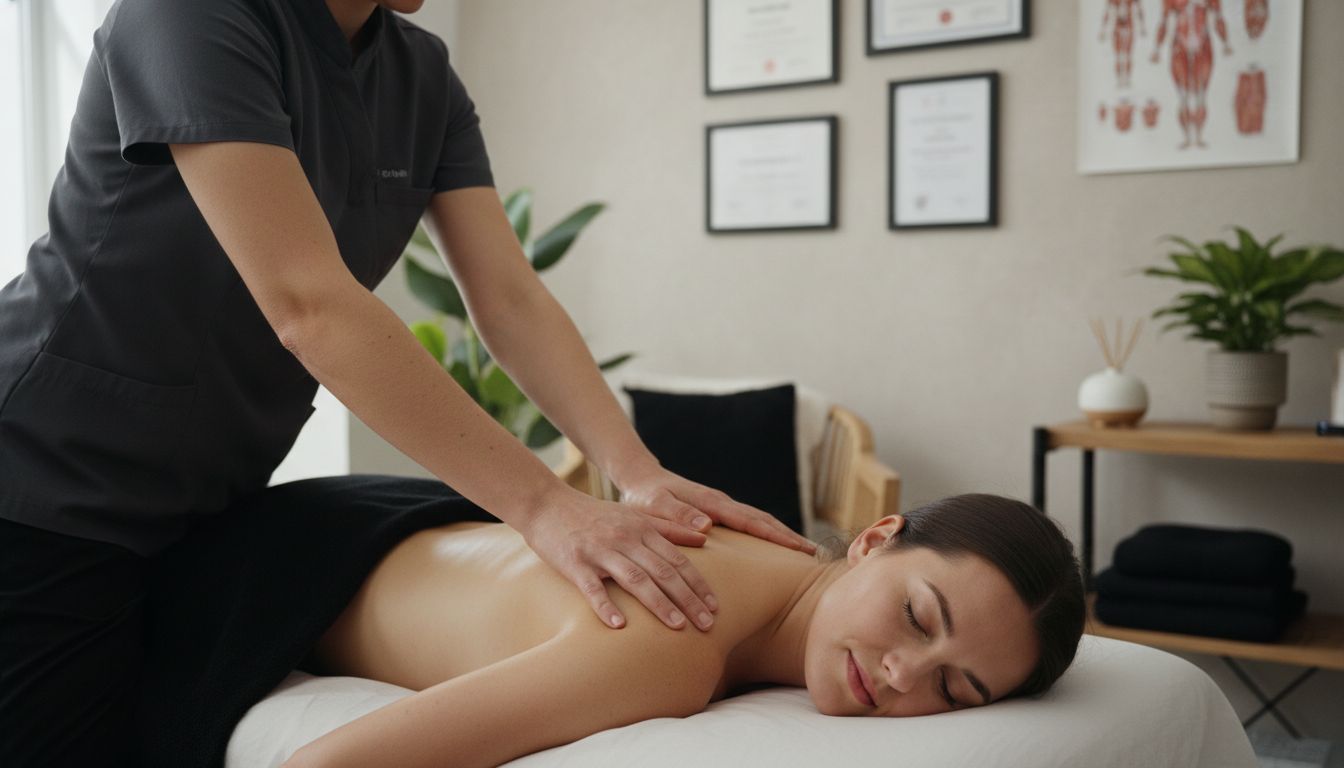 According to Parker University, it is particularly effective for full-body relaxation and serves as an excellent introduction for those new to massage therapy.
Beyond Swedish massage, other popular relaxation styles include:
- Chair Massage: A quick, targeted approach focusing on upper body tension
- Reflexology: Precision pressure application on feet and hands to promote overall relaxation
- Prenatal Massage: Specialized technique designed for expectant mothers
- Neuromuscular Therapy: Targeted approach addressing specific muscle tension areas
Each massage style offers unique benefits, allowing individuals to select a technique that best matches their specific relaxation and wellness goals. Learn more about our massage styles for relaxation to discover which approach might suit your individual needs.
Core Techniques and Step-by-Step Process
Relaxation massage incorporates several core techniques designed to systematically release tension and promote deep physical and mental calm. Mayo Clinic identifies three fundamental approaches: deep breathing exercises, progressive muscle relaxation, and visualization.
Progressive muscle relaxation forms a critical component of relaxation massage techniques. According to Brown Health, this method involves a systematic process of intentionally tensing and then releasing different muscle groups. The step-by-step process typically includes:
- Finding a comfortable, quiet space
- Starting with deep, rhythmic breathing
- Systematically tensing muscle groups for 5 seconds
- Releasing tension completely for 10-15 seconds
- Progressing through major muscle groups from feet to head
Beyond physical techniques, mental strategies play an equally important role in achieving comprehensive relaxation. Diaphragmatic breathing and guided imagery complement physical massage techniques, helping to calm the nervous system and create a holistic sense of well-being. Learn more about our relaxation techniques in our comprehensive massage techniques guide to explore these transformative approaches in greater depth.
Therapeutic Benefits and Session Expectations
Relaxation massage offers a comprehensive approach to wellness, addressing both physical and mental health challenges. Health Cornell highlights that therapeutic massage provides remarkable benefits, including pain alleviation, stress reduction, and promotion of mental clarity.
Mayo Clinic further elaborates on the physiological improvements associated with regular massage, noting significant impacts on overall well-being. These scientifically documented benefits include:
- Slowing heart rate
- Lowering blood pressure
- Improving digestive function
- Enhancing sleep quality
- Reducing chronic stress symptoms
Typical massage therapy sessions begin with a thorough consultation to understand individual health history and specific wellness goals. During this initial assessment, your massage therapist will discuss any existing conditions, areas of tension, and personal preferences to create a tailored treatment approach. Learn more about what to expect in your massage therapy session to help you feel fully prepared and comfortable with the therapeutic process.
Safety Considerations and Therapist Qualifications
Ensuring a safe and effective massage experience begins with selecting a qualified and professionally trained therapist. Health Cornell emphasizes the critical importance of comprehensive health history discussions to tailor massage sessions appropriately and address individual client needs safely.
Parker University underscores that qualified massage therapists must possess comprehensive training across multiple techniques and a deep understanding of human anatomy. Key qualifications to consider include:
- Professional certification from recognized massage therapy institutions
- Extensive training in multiple massage techniques
- Comprehensive understanding of human anatomy and physiology
- Knowledge of contraindications and potential health risks
- Ability to adapt techniques for individual client needs
Prior to your first session, it’s essential to communicate any pre-existing medical conditions, recent injuries, or specific health concerns. This open dialogue helps your therapist design a safe, personalized treatment plan that addresses your unique wellness goals. Learn how to choose the right massage therapist for your wellness needs to ensure a safe, effective, and transformative massage experience.
Comparing Relaxation Massage to Other Approaches
Taking Charge provides critical insights into the nuanced differences between relaxation massage and other therapeutic approaches. While relaxation massage focuses on general well-being and stress reduction, other massage styles target more specific physiological goals.
Specifically, different massage techniques serve distinct purposes:
- Relaxation Massage: Emphasizes overall stress reduction and general wellness
- Deep Tissue Massage: Targets chronic muscle tension and specific pain points
- Neuromuscular Therapy: Addresses precise muscle and nerve interactions
- Sports Massage: Concentrates on athletic performance and recovery
Mayo Clinic contextualizes massage as part of a broader stress management ecosystem that includes complementary practices like meditation, deep breathing, and yoga. Each approach offers unique benefits, making massage one of several powerful tools for holistic wellness.
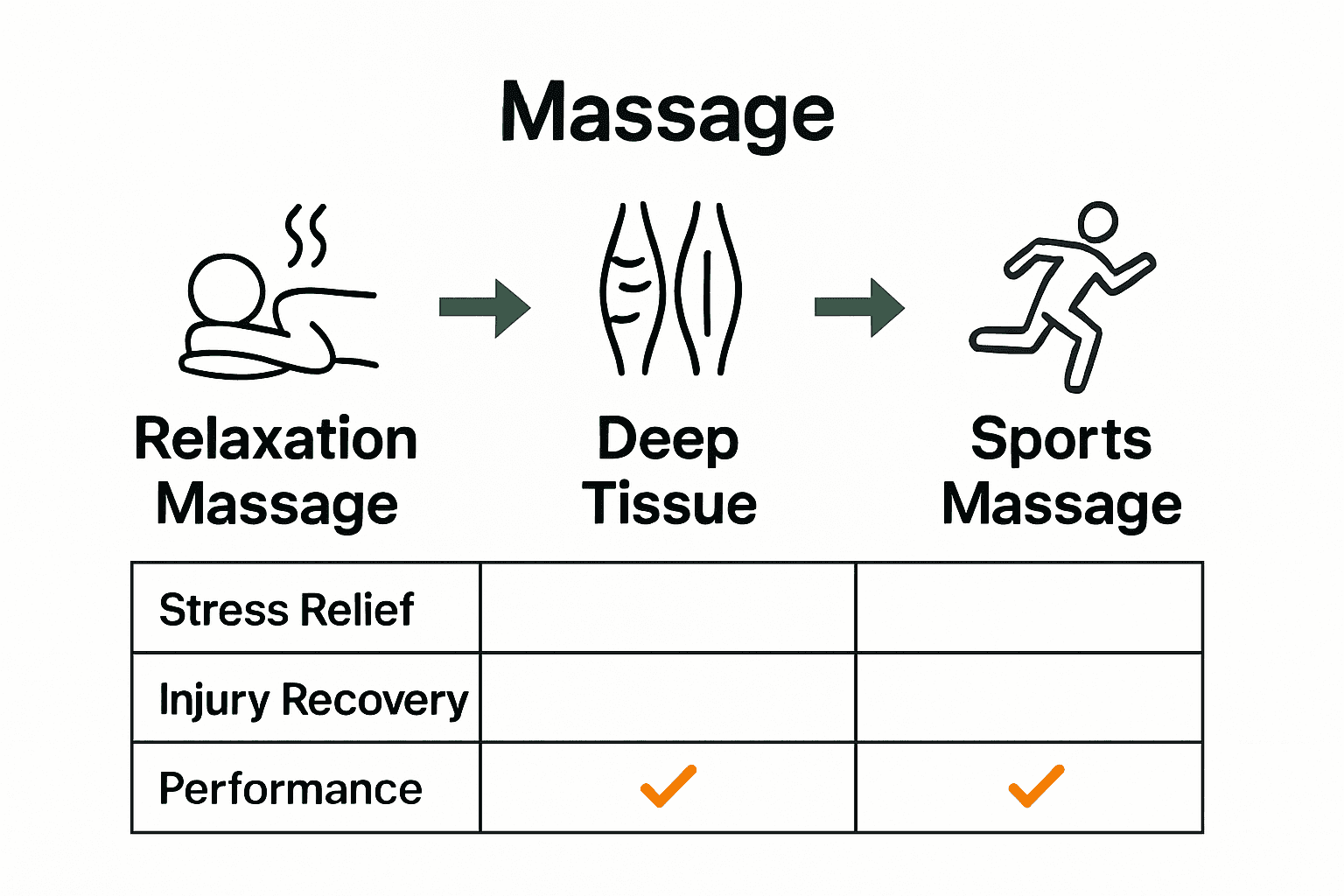 Explore the differences between relaxation and deep tissue massage techniques to understand which approach might best serve your individual health needs.
Restore Balance With Expert Relaxation Massage at Verdure
If you have been exploring Complete Guide to Relaxation Massage Techniques, you already understand how essential it is to reduce stress and unwind both body and mind through skilled, gentle touch. The article highlights key concerns like lowering muscle tension, calming the nervous system, and promoting holistic wellness—all goals at the heart of what we do at Verdure Registered Massage Therapy. Our experienced Registered Massage Therapists use proven techniques such as Swedish massage and whole body relaxation therapy tailored specifically to your needs.
Take the next step towards deep, lasting relaxation with personalized care that prioritizes your comfort and health. Visit our site to learn about massage therapy session expectations and discover the perfect relaxation massage style for you at massage styles for relaxation. Book your appointment now through our easy online system and experience the soothing relief and renewed energy that only skilled therapeutic massage can provide.
Frequently Asked Questions
What is relaxation massage?
Relaxation massage is a therapeutic technique aimed at promoting physical and mental tranquility through gentle, flowing movements that activate the body’s natural relaxation response. It emphasizes stress reduction and overall wellness rather than targeting specific injuries or chronic pain.
What are the main techniques used in relaxation massage?
Key techniques in relaxation massage include deep breathing exercises, progressive muscle relaxation, and visualization. These approaches help release tension, calm the nervous system, and create a holistic sense of well-being.
How does relaxation massage benefit overall health?
Regular relaxation massage can improve overall health by reducing stress, alleviating pain, enhancing sleep quality, improving digestive function, and promoting mental clarity. It also contributes to physiological changes such as lowering blood pressure and slowing the heart rate.
What should I expect during a relaxation massage session?
During a relaxation massage session, you will first have a consultation to discuss your health history and specific wellness goals. The therapist will then tailor the treatment to address your individual needs, using gentle techniques aimed at promoting relaxation and comfort.
Recommended
- Understanding Massage Styles for Relaxation and Wellness – Verdure Registered Massage Therapy
- Complete Guide to Relaxation Therapy vs Deep Tissue – Verdure Registered Massage Therapy
- Massage for Stress Management: Step-by-Step Relief Guide – Verdure Registered Massage Therapy
- 7 Essential Massage Techniques List for Relaxation and Relief – Verdure Registered Massage Therapy