
More than 80 percent of adults experience muscle tension or stress each year, yet choosing the right massage approach can feel confusing. With so many techniques promising relief, understanding how relaxation therapy and deep tissue massage differ helps you target your exact needs. This guide breaks down their unique benefits so you can make confident decisions about your wellness and finally find the comfort you deserve.
Table of Contents
- Defining Relaxation Therapy And Deep Tissue Massage
- Core Techniques And Therapeutic Approaches Compared
- Primary Benefits And Ideal Use Cases
- Who Should Choose Which Massage Style
- What To Expect During Your Session
Key Takeaways
| Point | Details |
|---|---|
| Distinct Approaches | Relaxation therapy focuses on stress reduction and emotional balance, while deep tissue massage targets chronic muscle tension and structural issues. |
| Technique Differences | Relaxation therapy employs gentle techniques such as deep breathing and guided imagery, whereas deep tissue massage utilizes precise pressure and targeted strokes. |
| Ideal Use Cases | Choose relaxation therapy for stress and anxiety relief; opt for deep tissue massage for chronic pain and muscle rehabilitation. |
| Session Expectations | Relaxation therapy involves calming exercises, while deep tissue massage includes targeted pressure application and muscle assessment. |
Defining Relaxation Therapy and Deep Tissue Massage
Therapeutic massage encompasses diverse techniques designed to address distinct wellness goals, with relaxation therapy and deep tissue massage representing two powerful yet distinctly different approaches to bodywork. According to NCBI, relaxation techniques are therapeutic exercises specifically crafted to help individuals decrease tension and manage anxiety, focusing on promoting overall well-being.
In contrast, PubMed describes deep tissue massage as a specialized therapeutic technique targeting deeper muscle layers and connective tissues. Unlike gentler relaxation methods, deep tissue massage aims to systematically address chronic muscle tension and enhance musculoskeletal function through more intentional, precision-based manipulations.
The key distinctions between these modalities emerge through their fundamental objectives and applied techniques:
- Relaxation Therapy: Prioritizes stress reduction, mental calm, and emotional balance
- Deep Tissue Massage: Focuses on structural muscular rehabilitation and physical tension release
While both approaches contribute to holistic wellness, they serve different client needs. For those seeking comprehensive insights into massage styles, our understanding massage styles for relaxation guide offers deeper exploration of these nuanced therapeutic techniques.
Understanding these differences allows individuals to select the most appropriate massage approach based on their specific physical and emotional wellness objectives. Whether you’re managing chronic pain, seeking stress relief, or pursuing overall body maintenance, recognizing the unique benefits of each technique empowers more informed health decisions.
Core Techniques and Therapeutic Approaches Compared
The landscape of therapeutic massage reveals nuanced techniques that distinguish relaxation therapy from deep tissue massage, each employing unique methodological approaches to address wellness objectives. NCBI highlights that relaxation therapies encompass multiple techniques including deep breathing, progressive muscle relaxation, and guided imagery, all strategically designed to reduce stress and promote comprehensive relaxation.
PubMed provides insight into deep tissue massage techniques, emphasizing specific methodologies like slow, deliberate strokes and precise deep finger pressure targeting muscle and connective tissue layers. These intentional manipulations differ significantly from gentler relaxation approaches, focusing instead on systematic tension release and musculoskeletal rehabilitation.
Key Technique Comparisons:
Relaxation Therapy Techniques:
- Deep breathing exercises
- Progressive muscle relaxation
- Guided visualization
- Gentle, rhythmic massage strokes
- Emphasis on mental and emotional calm
Deep Tissue Massage Techniques:
- Slow, targeted strokes
- Deep finger pressure
- Myofascial release methods
- Trigger point therapy
- Focus on structural muscular tension
For practitioners seeking comprehensive insights into therapeutic massage approaches, our guide to understanding therapeutic massage differences offers deeper exploration of these sophisticated bodywork methodologies.
Understanding these distinctive techniques empowers individuals to select massage approaches that precisely match their physical and emotional wellness goals, whether seeking stress reduction, chronic pain management, or targeted muscular rehabilitation.
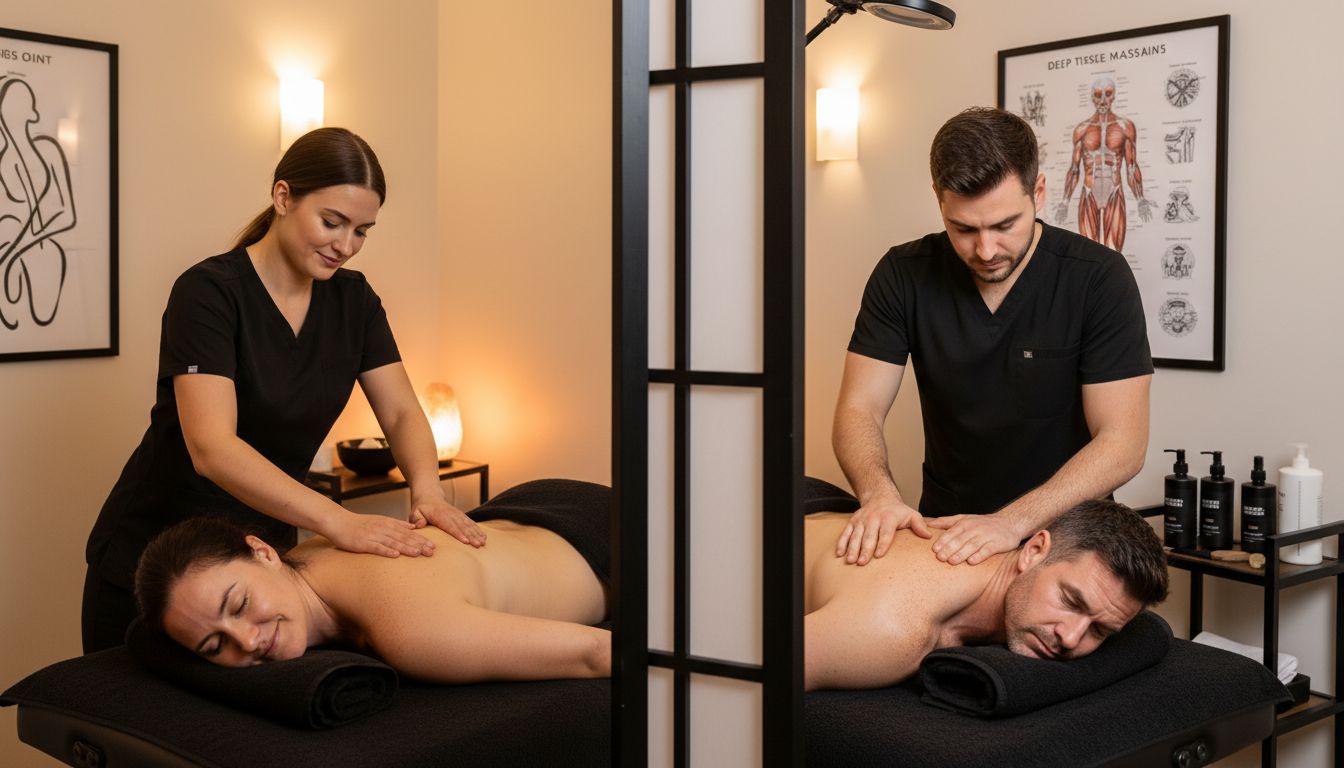
Here’s a side-by-side overview of the core techniques and approaches for each modality:
| Aspect | Relaxation Therapy Techniques | Deep Tissue Massage Techniques |
|---|---|---|
| Primary Focus | Stress reduction Mental calm |
Muscular rehabilitation Tension release |
| Typical Techniques | Deep breathing Progressive relaxation Guided visualization Gentle strokes |
Slow, targeted strokes Deep finger pressure Myofascial release Trigger point therapy |
| Pressure Level | Light to moderate | Moderate to deep |
| Emphasis | Mental & emotional balance | Physical tension & structural function |
| Target Areas | Whole body Mental well-being |
Specific muscle groups Connective tissues |
Primary Benefits and Ideal Use Cases
Therapeutic massage approaches offer distinct pathways to wellness, with relaxation therapy and deep tissue massage serving unique physiological and psychological needs. NCBI underscores that relaxation techniques are particularly beneficial for managing stress, anxiety, and certain medical conditions by promoting comprehensive relaxation and reducing physiological stress responses.
PubMed highlights deep tissue massage as a powerful intervention for addressing chronic musculoskeletal challenges, demonstrating remarkable effectiveness in treating persistent pain, muscle tension, and mobility restrictions by targeting deeper muscle and connective tissue layers.
Relaxation Therapy Benefits:
- Reduces overall stress and anxiety
- Lowers blood pressure
- Improves emotional regulation
- Enhances sleep quality
- Supports mental health and emotional balance
Deep Tissue Massage Benefits:
- Alleviates chronic muscle pain
- Improves range of motion
- Breaks down scar tissue
- Reduces muscle tension
- Supports injury rehabilitation
Ideal Use Cases:
Relaxation Therapy is Best For:
- Individuals experiencing high stress
- People with anxiety disorders
- Those seeking mental and emotional reset
- Individuals with sleep disturbances
- Professionals managing work-related tension
Deep Tissue Massage is Best For:
- Athletes with muscle injuries
- People with chronic pain conditions
- Individuals with postural misalignments
- Workers with repetitive strain injuries
- Those recovering from physical trauma
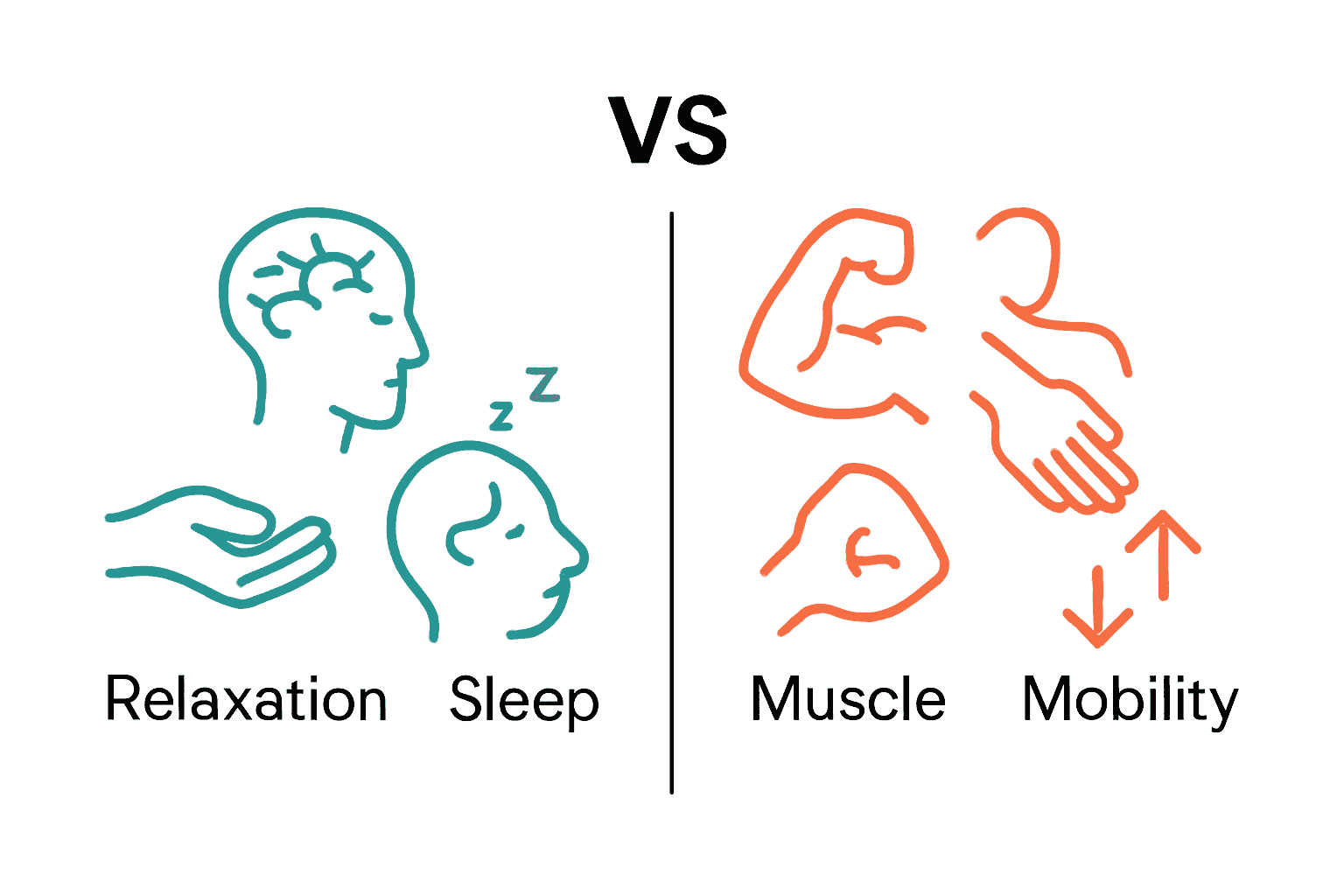
For professionals and clients seeking deeper understanding of these therapeutic approaches, our guide to understanding therapeutic massage differences provides comprehensive insights into selecting the most appropriate massage technique.
Recognizing these nuanced benefits allows individuals to make informed decisions about their wellness journey, ensuring they choose a massage approach that precisely addresses their physical, emotional, and rehabilitative needs.
Who Should Choose Which Massage Style
Relaxation therapy and deep tissue massage serve distinct wellness needs, requiring careful consideration of individual physical and mental health objectives. NCBI emphasizes that individuals experiencing high stress or anxiety may find significant benefits from relaxation therapies designed to promote mental well-being and reduce stress-related symptoms.
PubMed highlights that those with chronic muscle tension or specific musculoskeletal issues are often better served by deep tissue massage techniques targeting underlying physical discomfort and structural imbalances.
Ideal Candidates for Relaxation Therapy:
- Professionals experiencing workplace stress
- Individuals with anxiety disorders
- People struggling with sleep disruptions
- Those managing mental health challenges
- Individuals seeking emotional balance and stress management
Ideal Candidates for Deep Tissue Massage:
- Athletes with recurring muscle injuries
- Office workers with postural misalignments
- Individuals experiencing chronic pain
- People recovering from physical trauma
- Those with restricted mobility or muscle tension
For first-time massage clients seeking personalized guidance, our massage therapy expectations guide provides comprehensive insights into selecting the most appropriate therapeutic approach.
Ultimately, choosing between relaxation therapy and deep tissue massage depends on your unique physical and emotional wellness goals. Consulting with a professional massage therapist can help you determine the most effective treatment strategy tailored to your individual needs and health objectives.
What to Expect During Your Session
Relaxation therapy and deep tissue massage offer unique therapeutic experiences, each designed to address specific wellness needs through distinctive approaches. NCBI describes relaxation therapy sessions as intentionally crafted environments where individuals engage in calming exercises like deep breathing and guided imagery, creating a serene atmosphere dedicated to mental and emotional restoration.
PubMed reveals that deep tissue massage sessions involve precise, methodical techniques where therapists apply slow, deliberate deep pressure to targeted muscle groups, systematically releasing chronic tension and addressing underlying physical discomfort.
Relaxation Therapy Session Progression:
- Initial consultation about stress levels
- Comfortable, quiet environment setup
- Guided breathing techniques
- Progressive muscle relaxation
- Visualization or meditation guidance
- Gentle, rhythmic breathing exercises
Deep Tissue Massage Session Progression:
- Comprehensive health and injury history review
- Assessment of muscle tension and problem areas
- Strategic pressure application
- Focused manipulation of deeper muscle layers
- Trigger point therapy
- Gradual tension release techniques
To help first-time clients prepare comprehensively, our massage therapy session guide provides in-depth insights into what to anticipate during different massage approaches.
Understanding the unique characteristics of each session empowers clients to select and fully engage with the most appropriate therapeutic technique, ensuring a personalized and transformative wellness experience tailored to individual physical and emotional needs.
Choose the Right Massage Therapy for Your Unique Needs
Struggling to decide between relaxation therapy and deep tissue massage? You are not alone. Many people want relief from stress, chronic tension, or muscle pain but feel unsure about which approach fits their wellness goals best. This article explains how relaxation therapy helps with mental calm and stress reduction while deep tissue massage targets deeper physical repair and chronic muscle tension.
At Verdure Registered Massage Therapy, we understand these differences and tailor each session to your individual needs. Our expert team in Toronto offers both whole body relaxation therapy and focused deep tissue massage designed to restore balance and vitality in body, mind, and spirit. We prioritize your comfort and clear guidance every step of the way.
Ready to experience the benefits firsthand?
Explore our full range of therapeutic massage services and book a session that suits your goals now at Verdure Registered Massage Therapy. To learn more about what to expect during your visit, check out our massage therapy session guide and discover the best fit for lasting wellness. Take the first step toward relief and renewal today.
Frequently Asked Questions
What is relaxation therapy?
Relaxation therapy includes various techniques, such as deep breathing and progressive muscle relaxation, designed to reduce stress, promote emotional balance, and enhance mental well-being.
How does deep tissue massage differ from relaxation therapy?
Deep tissue massage focuses on targeting deeper muscle layers and connective tissues to alleviate chronic tension and pain, while relaxation therapy is centered on stress reduction and mental calm.
What are the primary benefits of relaxation therapy?
The primary benefits of relaxation therapy include reduced stress and anxiety, improved emotional regulation, enhanced sleep quality, and better overall mental health.
Who should consider deep tissue massage?
Deep tissue massage is ideal for athletes with injuries, individuals with chronic pain, and those experiencing muscle tension or postural issues, as it targets underlying physical discomfort.
Recommended
- Complete Guide to Deep Tissue Techniques – Verdure Registered Massage Therapy
- Deep Tissue Massage: Everything You Need to Know – Verdure Registered Massage Therapy
- Understanding Massage Styles for Relaxation and Wellness – Verdure Registered Massage Therapy
- Complete Guide to Why Choose Massage Therapy
- Wie Körpertherapie bei Stress hilft: Verstehen, Wirkung & Nutzen