
Nearly 80 percent of adults report feeling stressed each week, yet simple science-backed techniques can make a real difference. From deep breathing and gentle stretching to guided visualization, these practical methods help reset your body and calm your mind. Whether you want quick relief in a tense moment or ongoing tools to manage daily stress, you will discover proven strategies to regain balance—without any complicated routines.
Table of Contents
- 1. Deep Breathing For Instant Calm
- 2. Progressive Muscle Relaxation Steps
- 3. Guided Visualization To Soothe The Mind
- 4. Massage Therapy For Releasing Tension
- 5. Gentle Stretching For Full-Body Relaxation
- 6. Mindful Meditation For Daily Stress Relief
- 7. Aromatherapy To Enhance Relaxation
Quick Summary
| Takeaway | Explanation |
|---|---|
| 1. Practice deep breathing daily | Engage in daily deep breathing exercises to reduce stress and promote calmness in any situation. |
| 2. Utilize progressive muscle relaxation | Systematically tense and release muscle groups to alleviate tension and stress in your body. |
| 3. Incorporate guided visualization | Use your imagination to create serene mental environments that enhance relaxation and reduce anxiety. |
| 4. Explore various massage techniques | Different massage therapies target specific tension areas, helping to restore relaxation and balance in your body. |
| 5. Experiment with aromatherapy | Utilize essential oils to quickly affect your mood and promote emotional well-being through scent. |
1. Deep Breathing for Instant Calm
Stress can hijack your nervous system in seconds, but deep breathing offers a powerful counterattack. By purposefully controlling your breath, you can transform your physiological response from fight or flight to rest and recover.
According to Harvard Health Publishing, deep breathing exercises activate the body’s relaxation response, dramatically reducing stress and promoting immediate calmness. This technique works by signaling your parasympathetic nervous system to slow down heart rate, lower blood pressure, and release tension.
How to Practice Deep Breathing
- Find a quiet space where you won’t be disturbed
- Sit or lie down in a comfortable position
- Place one hand on your chest and another on your stomach
- Inhale slowly through your nose for 4 seconds, feeling your stomach expand
- Hold the breath for 2 seconds
- Exhale gradually through your mouth for 6 seconds
Pro Tip: The National Center for Complementary and Integrative Health emphasizes that regular practice amplifies the stress management benefits. Start with 5 minutes daily and gradually increase your breathing exercise duration.
When practiced consistently, deep breathing becomes a portable stress management tool you can access anywhere. Whether you’re facing a challenging work meeting, feeling overwhelmed at home, or experiencing anxiety, these breathing techniques provide an immediate path to inner calm.
2. Progressive Muscle Relaxation Steps
Imagine having a secret weapon against stress that requires nothing more than your own body and a few minutes of focused attention. Progressive muscle relaxation is exactly that a systematic technique that helps you release physical tension and mental anxiety through intentional muscle engagement and release.
According to the U.S. Department of Veterans Affairs, this technique involves deliberately tensing and then relaxing different muscle groups to promote deep physical and mental relaxation. By creating a deliberate cycle of tension and release, you teach your body how to recognize and distinguish between stressed and relaxed muscle states.
How to Practice Progressive Muscle Relaxation
- Find a quiet comfortable space where you can lie down or sit
- Start with your toes and feet by tensing muscles for 5 seconds
- Release the tension suddenly and feel the muscles soften
- Move progressively upward through muscle groups
- Tense each muscle group hands, arms, shoulders, neck, face
- Hold tension for 5 seconds then release completely
Pro Tip: Human Performance Resources by CHAMP recommends practicing this technique regularly to increase your bodys ability to recognize and release stress quickly.
With consistent practice, progressive muscle relaxation becomes a powerful tool in your stress management toolkit. It offers an immediate method to interrupt the stress cycle and restore your bodys natural balance. No fancy equipment needed just your willingness to pause and tune into your physical experience.
3. Guided Visualization to Soothe the Mind
Your imagination is a powerful tool for stress relief. Guided visualization transforms your mental landscape from a battlefield of anxiety to a sanctuary of calm by intentionally directing your thoughts toward peaceful scenarios.
This technique works by engaging your brain’s neuroplasticity. When you vividly imagine a serene environment your body responds as if you were physically present. Your nervous system begins to relax muscles decrease cortisol levels and create a sense of emotional safety.
How to Practice Guided Visualization
- Find a quiet comfortable space
- Close your eyes and take several deep breaths
- Select a calming location beach forest mountain retreat
- Engage all your sensory imagination
- Imagine detailed elements temperature sounds textures
- Allow yourself to feel fully immersed in the peaceful scene
Visualization Techniques
Visualization is more than daydreaming. It is a deliberate mental practice where you construct detailed mental images that promote relaxation. Picture yourself walking on a silent beach waves gently lapping at your feet warm sunlight touching your skin. Feel the soft sand between your toes and listen to distant seabird calls.
The magic of guided visualization lies in its ability to interrupt stress patterns. By redirecting your mental focus you create a psychological reset button. Your body cannot distinguish between a vividly imagined calm scenario and actual physical relaxation making this technique a powerful stress management tool.
Start with short 5 minute sessions and gradually increase duration. With practice you will develop a personal mental retreat you can access anytime stress threatens to overwhelm you.
4. Massage Therapy for Releasing Tension
Massage therapy is more than a luxury treatment it is a powerful stress management tool that transforms physical tension into deep relaxation. By targeting specific muscle groups and applying strategic pressure techniques massage can unlock your bodys natural healing mechanisms.
According to Mayo Clinic, massage therapy works by manipulating soft body tissues to reduce muscle tension improve circulation and promote overall wellness. When skilled hands apply precise pressure your nervous system shifts from a stressed state to a calmer more balanced condition.
Types of Massage for Tension Relief
- Swedish massage for general relaxation
- Deep tissue massage for chronic muscle tension
- Trigger point therapy for specific pain areas
- Sports massage for muscle recovery
- Myofascial release for widespread muscle restrictions
Pro Tip: The National Center for Complementary and Integrative Health recommends choosing a registered massage therapist who understands your specific stress and tension patterns.
Check out our guide to relaxation massage techniques to discover more detailed strategies for targeted muscle tension release. Each massage technique offers unique benefits that can help you manage stress more effectively and restore your bodys natural balance.
5. Gentle Stretching for Full-Body Relaxation
Stretching is more than a physical warmup it is a powerful reset button for your nervous system. By intentionally moving and elongating muscle groups you can transform physical tension into profound relaxation and mental clarity.
According to the American Council on Exercise, gentle stretching helps release muscular tension interrupt stress patterns and activate your bodys natural relaxation response. When you stretch mindfully you signal your muscles to let go of accumulated stress and create space for calm.
Effective Stretching Techniques
- Neck and shoulder rolls to release upper body tension
- Standing forward bend for full spine relaxation
- Seated spinal twist to reset core muscles
- Child pose for total body surrender
- Supine leg stretches to open hip flexors
Pro Tips for Stretching
- Breathe deeply during each stretch
- Move slowly and intentionally
- Stop if you feel sharp pain
- Hold each stretch for 30 seconds
- Practice consistently for best results
For more detailed guidance on restoring mobility and reducing tension, explore our Stretch & Restore techniques. Remember that stretching is not about performance but about listening to your body and creating gentle pathways to relaxation.
6. Mindful Meditation for Daily Stress Relief
Mindful meditation is not about emptying your mind it is about creating a compassionate relationship with your inner landscape. By learning to observe your thoughts without judgment you can transform stress from an overwhelming force into a manageable experience.
According to Mindful.org, mindfulness meditation works by training your brain to stay present and reduce reactive stress patterns. When you practice mindfulness you develop the ability to create space between a stressful trigger and your response creating more emotional resilience.
Simple Meditation Techniques
- Find a quiet comfortable space
- Sit in a relaxed position
- Focus on your natural breathing rhythm
- Notice thoughts without engaging them
- Gently redirect attention back to breath
- Start with 5 minute sessions
Practical Meditation Tips
The National Health Service recommends integrating mindfulness into daily activities. This could mean paying full attention while drinking coffee noticing sensations during a walk or practicing deep breathing during brief moments of waiting.
Mindfulness is a skill that develops with consistent practice. Some days will feel easier than others and that is perfectly normal. The goal is not perfection but gentle persistent awareness. Like any skill meditation becomes more natural and powerful the more you practice.
7. Aromatherapy to Enhance Relaxation
Aromatherapy transforms simple scents into powerful stress relief tools. By engaging your olfactory system essential oils can create immediate shifts in mood physiological response and emotional state.
According to the National Center for Complementary and Integrative Health, aromatherapy works through complex interactions between smell receptors and the brain. When you inhale specific essential oil molecules they communicate directly with brain regions responsible for emotions memory and stress regulation.
Effective Essential Oils for Relaxation
- Lavender for deep calm and sleep support
- Chamomile to reduce anxiety
- Bergamot for mood elevation
- Ylang ylang for stress reduction
- Frankincense for emotional balance
Practical Aromatherapy Methods
- Use a diffuser in your living space
- Apply diluted oils to pulse points
- Create a relaxing bath with essential oil drops
- Carry a personal inhaler with calming scents
- Use scented massage oils during bodywork
Each essential oil carries unique properties that interact with your nervous system. Some provide immediate calming effects while others support longer term stress management. Start with small amounts and observe how your body responds to different scents.
For those interested in holistic wellness approaches, our massage styles for relaxation guide offers additional insights into integrating aromatherapy with other stress relief techniques.
Below is a comprehensive table summarizing the key techniques and benefits of stress relief strategies discussed in the article.
| Technique | How to Practice | Benefits |
|---|---|---|
| Deep Breathing | Inhale slowly through the nose for 4 seconds, hold for 2 seconds, exhale through the mouth for 6 seconds; practice daily. | Activates relaxation response, reduces stress, lowers heart rate and blood pressure. |
| Progressive Muscle Relaxation | Tense each muscle group for 5 seconds then release; move from toes to face. | Releases physical tension, distinguishes between stressed and relaxed muscle states. |
| Guided Visualization | Imagine a serene location with all five senses engaged; start with 5-minute sessions. | Reduces anxiety, engages neuroplasticity, provides a mental escape. |
| Massage Therapy | Use different massage types for specific needs (e.g., Swedish for relaxation, deep tissue for tension). | Reduces muscle tension, improves circulation, shifts nervous system to calm state. |
| Gentle Stretching | Perform neck rolls, forward bends, and other stretches; hold for 30 seconds. | Releases muscular tension, activates relaxation response, improves flexibility. |
| Mindful Meditation | Notice thoughts without engaging, focus on breathing; integrate into daily life. | Reduces reactive stress patterns, increases emotional resilience. |
| Aromatherapy | Use essential oils like lavender or chamomile in diffusers or baths. | Enhances mood, calms nervous system, reduces anxiety. |
Restore Balance and Calm with Verdure Registered Massage Therapy
The “7 Essential Relaxation Techniques List for Stress Relief” highlights how managing stress through deep breathing, progressive muscle relaxation, and gentle stretching can bring profound calm and physical relief. If you find stress causing tension in your body or mind, or if you want to deepen your relaxation beyond daily techniques, Verdure Registered Massage Therapy in Toronto offers personalized care to help you restore wellness, balance, and liveliness.
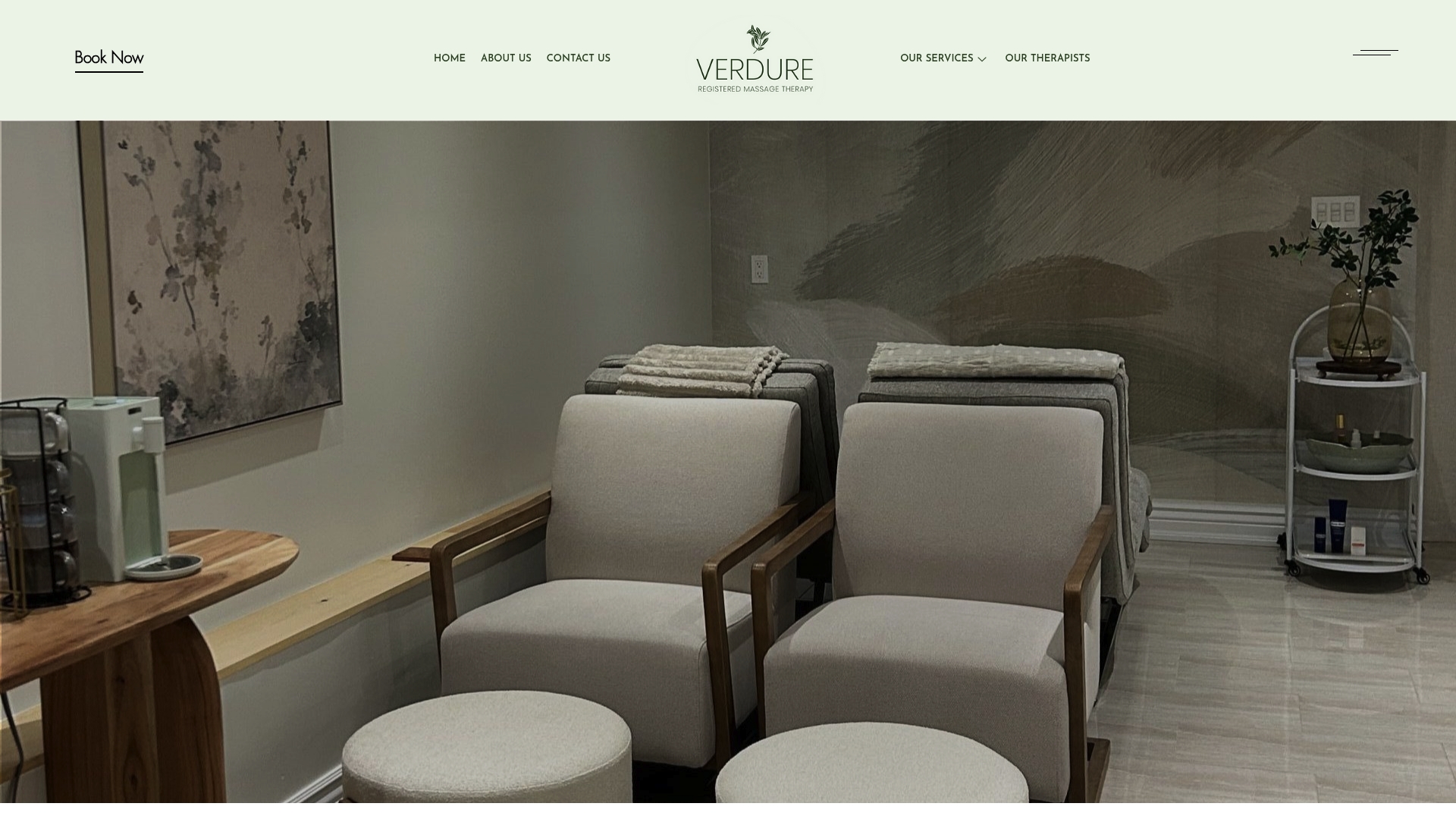
Experience expert therapeutic services like Swedish massage, myofascial release, and stretch & restore techniques that complement the relaxation methods you are learning. Waiting to feel better can prolong discomfort — book now and begin your journey toward real, lasting stress relief. Visit Verdure Registered Massage Therapy to explore the full range of massage styles tailored to your needs and to schedule your first session today.
Frequently Asked Questions
What are some effective relaxation techniques for stress relief?
You can try deep breathing, progressive muscle relaxation, guided visualization, massage therapy, gentle stretching, mindful meditation, and aromatherapy. Start with one technique, like deep breathing, practicing for at least 5 minutes daily to enhance your stress management skills.
How can I practice deep breathing to reduce stress?
To practice deep breathing, find a quiet space, sit comfortably, and inhale through your nose for 4 seconds, feeling your stomach expand, then hold for 2 seconds and exhale through your mouth for 6 seconds. Aim to do this regularly to help signal your nervous system to calm down.
What steps are involved in progressive muscle relaxation?
Begin progressive muscle relaxation by tensing a group of muscles for 5 seconds, then release and feel the relaxation. Progress from your toes to your head, ensuring you engage all muscle groups to enhance your relaxation experience.
How can guided visualization help with stress?
Guided visualization helps by allowing you to vividly imagine a calming place, such as a beach or forest, which can trigger relaxation and ease anxiety. Focus on engaging all your senses to fully immerse yourself in this peaceful scenario for a few minutes each day.
What types of massage are effective for tension relief?
Effective types of massage for tension relief include Swedish massage for relaxation, deep tissue massage for chronic tension, and trigger point therapy for specific pain areas. Consider scheduling regular sessions based on your specific needs to help manage stress effectively.
How often should I practice mindful meditation for stress management?
Practicing mindful meditation daily, even for just 5 minutes, can significantly enhance your ability to manage stress. Gradually increase the duration as you become more comfortable, making it a regular part of your routine.
Recommended
- Complete Guide to Relaxation Massage Techniques – Verdure Registered Massage Therapy
- Massage for Stress Management: Step-by-Step Relief Guide – Verdure Registered Massage Therapy
- Understanding Massage Styles for Relaxation and Wellness – Verdure Registered Massage Therapy
- 7 Essential Massage Techniques List for Relaxation and Relief – Verdure Registered Massage Therapy