
Most American adults experience muscle tension or stress-related discomfort at some point, yet few regularly practice the self-care basics that can truly make a difference. Massage therapy is not just about occasional pampering. It offers a practical way for Americans to manage tension, boost circulation, and support long-term well-being. This guide lays out essential self-care strategies and clears up common misconceptions, helping you approach physical wellness with greater confidence and comfort.
Table of Contents
- Understanding Massage Therapy Self-Care Basics
- Types of Self-Care Techniques for Massage
- Safe Practices and Common Misconceptions
- Maximizing Relief Between Professional Sessions
- Mistakes to Avoid in Self-Massage
Key Takeaways
| Point | Details |
|---|---|
| Self-Care Importance | Regular massage therapy self-care helps manage physical tension, reduces stress, and maintains overall wellness. |
| Diverse Techniques | Incorporating various modalities and self-care techniques enhances flexibility and addresses specific muscular tensions. |
| Safety and Ergonomics | Understanding body mechanics and ergonomics is crucial for preventing injuries and ensuring long-term practitioner health. |
| Active Recovery | Implementing daily self-massage and post-session routines can extend the benefits of professional massages and promote recovery. |
Understanding Massage Therapy Self-Care Basics
Massage therapy self-care is more than just occasional relaxation – it’s a proactive approach to managing physical tension, reducing stress, and maintaining overall wellness. At its core, self-care through massage involves understanding how deliberate bodywork techniques can help you address muscular discomfort, improve circulation, and support your body’s natural healing processes.
Professional massage therapists recognize that self-care is crucial for preventing injuries and maintaining physical resilience. Essential self-care techniques for massage practitioners include prioritizing healthy nutrition, engaging in regular physical exercise, receiving therapeutic massages, and ensuring adequate sleep. These strategies not only reduce personal stress but also help prevent professional burnout and support long-term physical health.
Understanding self-care basics requires recognizing that massage therapy is a holistic approach to wellness. Different massage modalities – such as Swedish, deep tissue, and myofascial release – offer unique benefits for addressing specific muscular tensions and promoting relaxation. By learning about these techniques and listening to your body’s signals, you can develop a personalized approach to managing physical stress and supporting your overall well-being.
Compare the most common massage modalities and their typical uses:
| Modality | Focus Area | Most Common Use |
|---|---|---|
| Swedish | Overall body relaxation | General stress reduction |
| Deep Tissue | Deep muscle layers | Chronic tension relief |
| Myofascial Release | Fascia and soft tissues | Improving flexibility |
Pro Tip: Body Awareness Technique: Practice a daily 5-minute body scan meditation where you systematically notice and release tension in each muscle group, helping you become more attuned to your body’s needs and potential areas of discomfort.
Types of Self-Care Techniques for Massage
Massage therapy self-care encompasses a diverse range of techniques designed to prevent physical strain, reduce muscle tension, and support overall practitioner wellness. Understanding and implementing these techniques is crucial for maintaining long-term professional effectiveness and personal health.
Self-care stretches recommended by professional massage associations include specialized exercises targeting key muscle groups that are most vulnerable to overuse and strain. The doorway stretch and clock stretch, for instance, help massage therapists alleviate tension in shoulders, neck, and arms – areas that experience significant stress during therapeutic work. These targeted movements not only prevent potential injuries but also improve overall flexibility and muscular resilience.
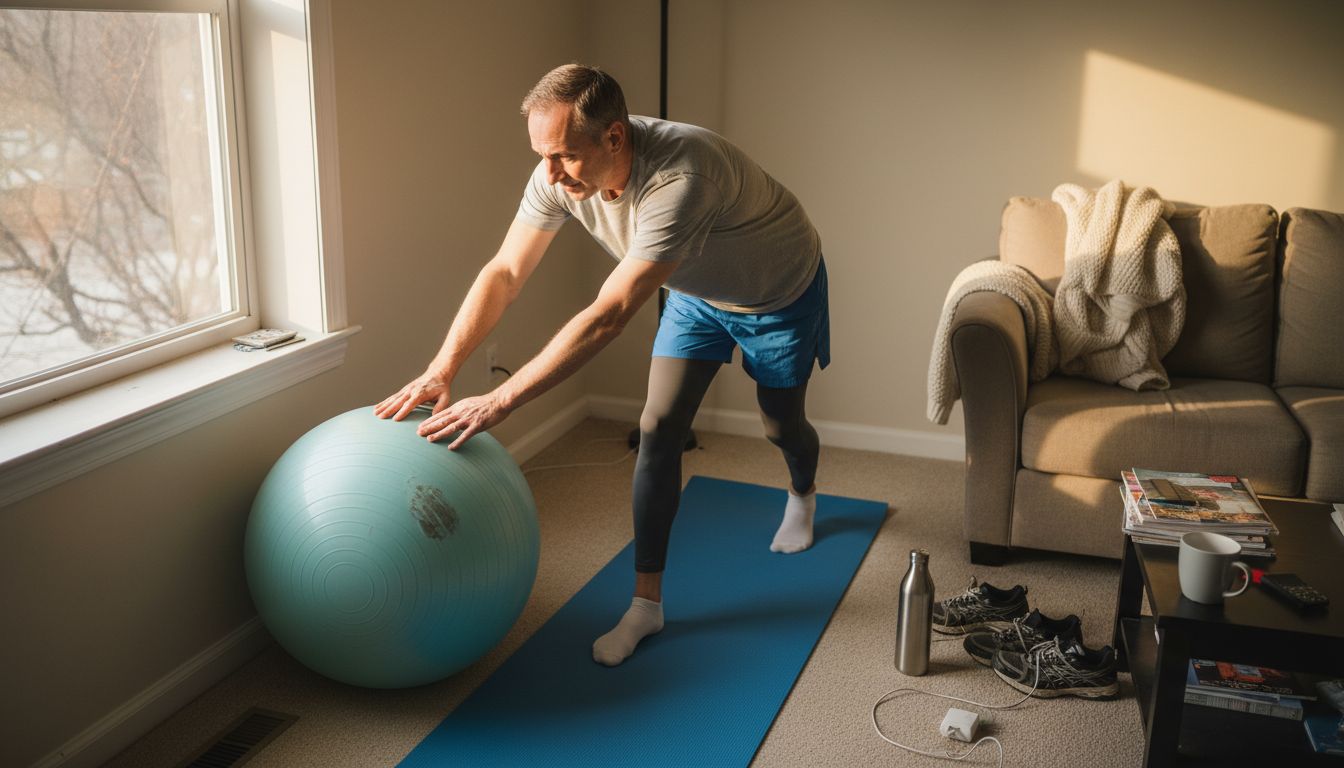
Beyond physical stretching, effective self-care techniques also involve strategic body mechanics and technique modification. Professional massage therapists often utilize alternative massage approaches like using forearms instead of hands during deep tissue work to reduce personal physical strain. This approach distributes pressure more effectively and minimizes the risk of hand and wrist injuries, demonstrating how thoughtful technique adaptation can be a critical component of sustainable massage practice.
Pro Tip: Professional Recovery Strategy: Develop a consistent post-massage routine that includes gentle stretching, hydration, and 10-15 minutes of rest to help your body recover and prevent cumulative physical stress.
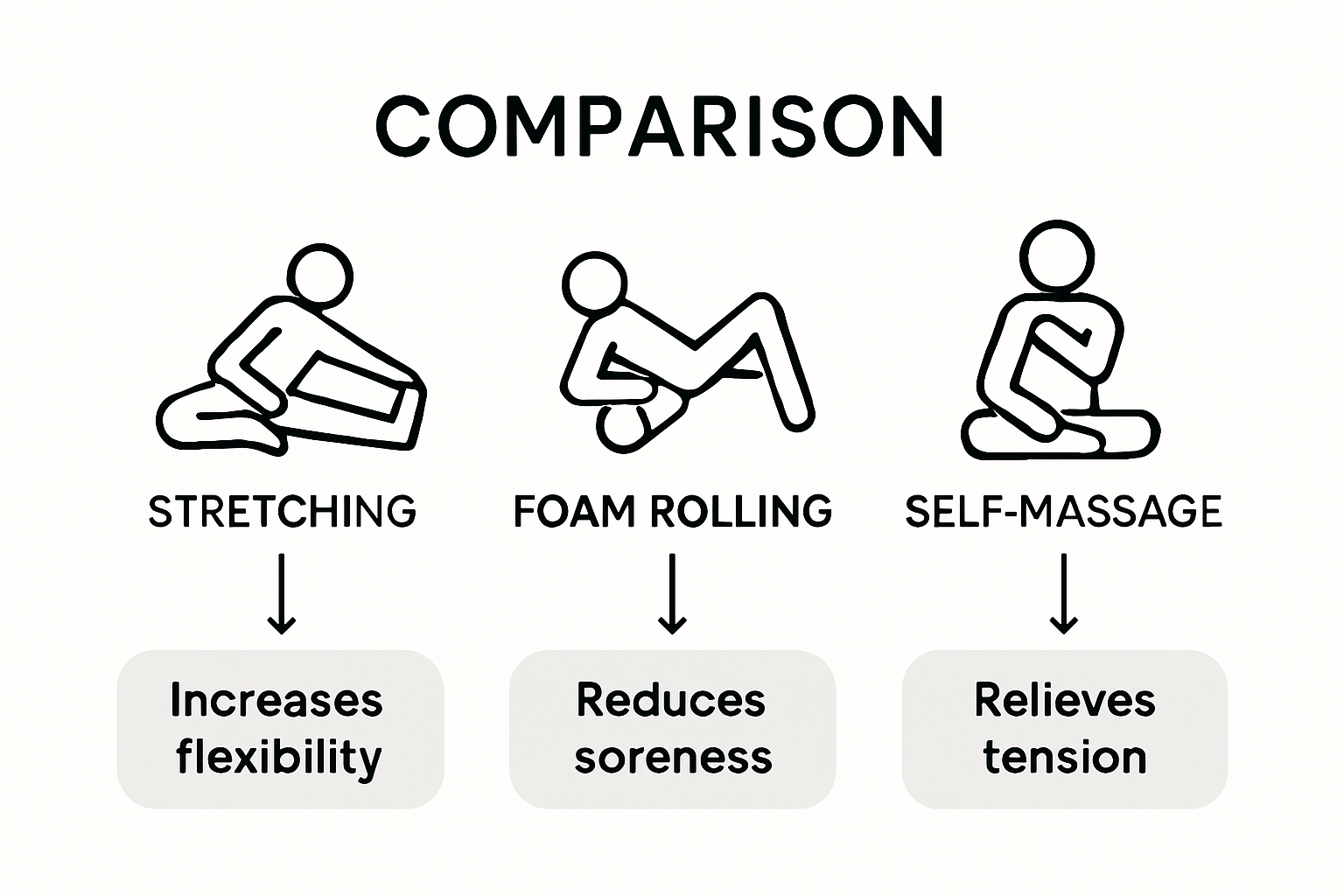
Here’s a summary of key self-care techniques and their primary benefits for massage therapists:
| Technique Type | Example Practice | Key Benefit |
|---|---|---|
| Stretching | Doorway or clock stretch | Reduces muscle tension |
| Body Mechanics | Using forearms, table height | Prevents strain and injury |
| Restorative Routines | Hydration, post-session rest | Enhances recovery |
| Self-Massage | Gentle hand or scalp massage | Relieves stress |
Safe Practices and Common Misconceptions
Massage therapy safety is a critical aspect of professional practice that extends far beyond client care to include the therapist’s own physical and mental well-being. Many practitioners unknowingly put themselves at risk by overlooking fundamental safety principles and perpetuating common misconceptions about body mechanics and self-preservation.
Body mechanics training for massage professionals emphasizes the importance of understanding how to apply pressure efficiently without compromising personal physical health. One of the most prevalent misconceptions is that strength alone determines a therapist’s effectiveness, when in reality, proper technique and strategic positioning are far more crucial for delivering quality therapeutic work while preventing personal injury.
Professional massage therapists must challenge several widespread myths about workplace safety. Common misconceptions about self-care often involve overlooking critical ergonomic factors, such as table height, which can significantly impact a therapist’s long-term physical resilience. Incorrect table positioning can lead to chronic musculoskeletal issues, forcing therapists to strain their bodies and potentially shortening their professional careers. Understanding and implementing proper ergonomic practices is not just a recommendation – it’s a fundamental requirement for sustainable practice.
Pro Tip: Ergonomic Self-Protection: Invest in an adjustable massage table and take time to customize its height before each session, ensuring your body maintains a neutral spine and minimizes unnecessary physical strain.
Maximizing Relief Between Professional Sessions
Maintaining the therapeutic benefits of a professional massage requires strategic self-care techniques that extend the healing process beyond the treatment room. While professional massage therapy provides comprehensive relief, individuals can actively support their body’s recovery and maintain muscular wellness through targeted self-management strategies.
Self-massage techniques for stress relief offer powerful tools for managing tension and promoting relaxation between professional sessions. Focused approaches like gentle head and scalp massages can help release accumulated stress, improve circulation, and provide immediate relief from muscular tightness. These techniques not only complement professional treatments but also empower individuals to take an active role in their personal wellness journey.
Professional wellness experts recommend a holistic approach to maintaining muscular health. Comprehensive self-care activity guides suggest targeted self-massage techniques for specific body areas including hands, feet, neck, and shoulders. By developing a consistent self-massage routine, individuals can prevent muscle stiffness, reduce accumulated tension, and extend the therapeutic benefits of professional massage treatments. Understanding proper technique is crucial – gentle, mindful movements that follow muscle groups and focus on areas of greatest tension can significantly enhance overall physical comfort.
Pro Tip: Daily Tension Release: Dedicate 10 minutes each evening to gentle self-massage, using light pressure and focusing on areas that feel most tight, to help your body maintain the healing progress from professional massage sessions.
Mistakes to Avoid in Self-Massage
Self-massage can be an incredibly effective technique for managing muscular tension, but without proper knowledge and approach, individuals risk causing more harm than good. Understanding the common pitfalls and potential injuries associated with incorrect self-massage techniques is crucial for maintaining physical wellness and preventing unintended muscle damage.
Professional massage experts warn against overusing hands and thumbs during self-massage routines. Many people unknowingly apply excessive pressure using their hands and thumbs, which can lead to repetitive strain injuries and potentially worsen existing muscular tension. Instead, practitioners recommend utilizing alternative body parts like forearms and elbows to distribute pressure more effectively and reduce the risk of personal injury.
Body mechanics play a critical role in preventing self-massage injuries, with improper posture and technique being primary contributors to potential harm. Common mistakes include twisting the body into uncomfortable positions, applying inconsistent pressure, and failing to maintain a neutral spine during self-massage. These errors can not only diminish the therapeutic benefits of the massage but also increase the likelihood of straining muscles or creating additional tension in the body. Developing awareness of proper body alignment and learning to move mindfully are essential components of safe and effective self-massage practice.
Pro Tip: Safety First Method: Always start with gentle pressure, use your body weight strategically instead of muscular force, and stop immediately if you experience sharp or intense pain during self-massage.
Elevate Your Massage Therapy Self-Care with Verdure Registered Massage Therapy
Managing muscle tension and preventing strain are vital challenges highlighted in “Massage Therapy Self-Care Tips for Lasting Relief.” You understand the importance of proper body mechanics, targeted stretching, and restorative routines to maintain physical resilience and reduce chronic discomfort. At Verdure Registered Massage Therapy, we share your commitment to holistic wellness by offering tailored therapies such as Swedish massage, deep tissue massage, and myofascial release that directly address these key pain points and promote lasting relief.
Experience how our expert Registered Massage Therapists blend professional techniques with personalized care to support your body’s natural healing and extend the benefits of self-care beyond your own practice. Do not wait for tension or fatigue to take over. Visit Verdure Registered Massage Therapy today and discover therapeutic options designed to improve your comfort, flexibility, and overall well-being with transparent booking and compassionate support. Learn more about our services and book your session now at https://verduretoronto.com. Start your journey to lasting relief and balanced wellness today.
Frequently Asked Questions
What are the key self-care techniques for massage therapists?
Key self-care techniques for massage therapists include stretching exercises, using proper body mechanics, developing restorative routines, and practicing self-massage. These methods aim to reduce strain, improve flexibility, and promote overall well-being.
How can I extend the benefits of a professional massage?
To extend the benefits of a professional massage, incorporate self-massage techniques, hydrate well, and dedicate time to gentle stretches and muscle relaxation in your daily routine. This proactive approach helps maintain muscular wellness and supports recovery.
What should I avoid when practicing self-massage?
When practicing self-massage, avoid applying excessive pressure with your hands and thumbs, improper posture, and twisting your body into uncomfortable positions. Instead, use alternative body parts like forearms to distribute pressure effectively and maintain a neutral spine to prevent injuries.
How can I become more aware of my body’s needs during self-care?
Practicing techniques like body scan meditation can help you become more aware of your body’s needs. This technique involves systematically noticing areas of tension and consciously releasing them, enhancing your ability to address discomfort proactively.
Recommended
- The Essential Guide to Self Care Through Massage – Verdure Registered Massage Therapy
- Complete Guide to Relaxation Massage Techniques – Verdure Registered Massage Therapy
- Understanding Massage Therapy Tips for Wellness – Verdure Registered Massage Therapy
- 7 Essential Relaxation Techniques List for Stress Relief – Verdure Registered Massage Therapy
- What is Mesotherapy, and how does it work? – The Aesthetics Room
- 7 tipů na bezbolestné tetování pro všechny nadšence – TKTX Shop