
Nearly one in three adults report feeling stressed most of the time, and this constant tension can affect both body and mind in unexpected ways. As daily pressures build, finding reliable relief becomes a top priority for many people. Massage therapy stands out, offering a proven way to reduce stress by lowering cortisol levels by an impressive 31 percent. If you’re searching for an effective, natural approach to stress relief, understanding the science behind massage can reveal a path toward deeper relaxation and well-being.
Table of Contents
- Understanding Massage And Stress Relief
- Popular Massage Techniques For Stress Management
- Proven Benefits Of Therapeutic Massage
- Common Myths And Misconceptions About Massage
- Choosing The Right Massage For Your Needs
Key Takeaways
| Point | Details |
|---|---|
| Massage therapy effectively reduces stress. | Research shows that massage therapy can lower cortisol levels by 31%, proving its effectiveness in stress management. |
| Different techniques offer unique benefits. | Options such as Swedish, Deep Tissue, and Aromatherapy Massage address various physical and mental wellness needs. |
| Therapeutic massage promotes holistic health. | Regular massage enhances not just relaxation, but also supports immune function, sleep quality, and emotional well-being. |
| Understanding misconceptions is crucial. | Many myths about massage prevent individuals from reaping its benefits; recognizing these can aid effective integration into wellness routines. |
Understanding Massage and Stress Relief
Stress has become an increasingly prevalent challenge in modern life, silently impacting our physical and mental well-being. Massage therapy emerges as a powerful, scientifically-backed approach to combating the physiological and psychological effects of chronic stress. According to research from Time, massage can dramatically reduce stress by decreasing cortisol levels by an impressive 31%, demonstrating its potent therapeutic potential.
The connection between massage and stress relief runs deeper than mere relaxation. Physiological mechanisms are at work during a massage session that actively counteract stress responses. When skilled hands apply targeted pressure and manipulation techniques, the body undergoes a profound transformation. Muscles relax, tension dissipates, and the nervous system shifts from a high-alert state to a calm, restorative mode. A PubMed study of older adults revealed that consistent massage therapy not only reduces stress perception but also enhances overall well-being, with participants receiving 50-minute sessions twice weekly experiencing significant improvements.
Key stress-reduction benefits of massage include:
- Lowering cortisol and adrenaline levels
- Stimulating production of mood-enhancing neurotransmitters like serotonin and dopamine
- Reducing muscle tension and physical manifestations of stress
- Improving sleep quality
- Enhancing mind-body connection
Whether you’re experiencing workplace pressure, managing chronic anxiety, or simply seeking a holistic approach to wellness, massage for stress management guide can provide a comprehensive roadmap to understanding how therapeutic touch can transform your stress response and promote profound relaxation.
Popular Massage Techniques for Stress Management
Stress management requires diverse and targeted approaches, and massage techniques offer a powerful toolkit for holistic wellness. Integrative Healthcare highlights four primary massage techniques that effectively combat stress: Swedish Massage, Head Massage, Aromatherapy Massage, and Deep Tissue Massage. Each technique provides unique benefits, addressing both physical tension and psychological strain.
Swedish Massage stands out as a quintessential stress-relief method, utilizing long, flowing strokes that promote deep relaxation and improve circulation. Head massage targets specific tension points in the scalp and neck, releasing accumulated stress and promoting mental clarity. Aromatherapy Massage combines therapeutic touch with essential oils, engaging multiple sensory pathways to enhance relaxation and emotional balance. Deep Tissue Massage penetrates deeper muscle layers, addressing chronic tension and releasing long-held stress patterns.
Beyond traditional Western techniques, alternative approaches like Shiatsu offer profound stress management benefits. According to Wikipedia, this Japanese bodywork technique focuses on balancing energy flow through finger pressure, assisted stretching, and joint manipulation. Rooted in traditional Chinese medicine, Shiatsu provides a holistic approach to stress reduction by:
- Promoting energy balance
- Releasing muscular tension
- Stimulating the body’s natural healing mechanisms
- Enhancing overall emotional and physical well-being
For those seeking a comprehensive understanding of relaxation techniques, our guide to relaxation massage techniques offers deeper insights into these transformative bodywork approaches, helping you select the most appropriate method for your unique stress management needs.
Proven Benefits of Therapeutic Massage
Therapeutic massage transcends simple relaxation, offering a profound approach to holistic wellness and stress management. Scientific research consistently demonstrates its wide-ranging health benefits, providing compelling evidence for its therapeutic potential.
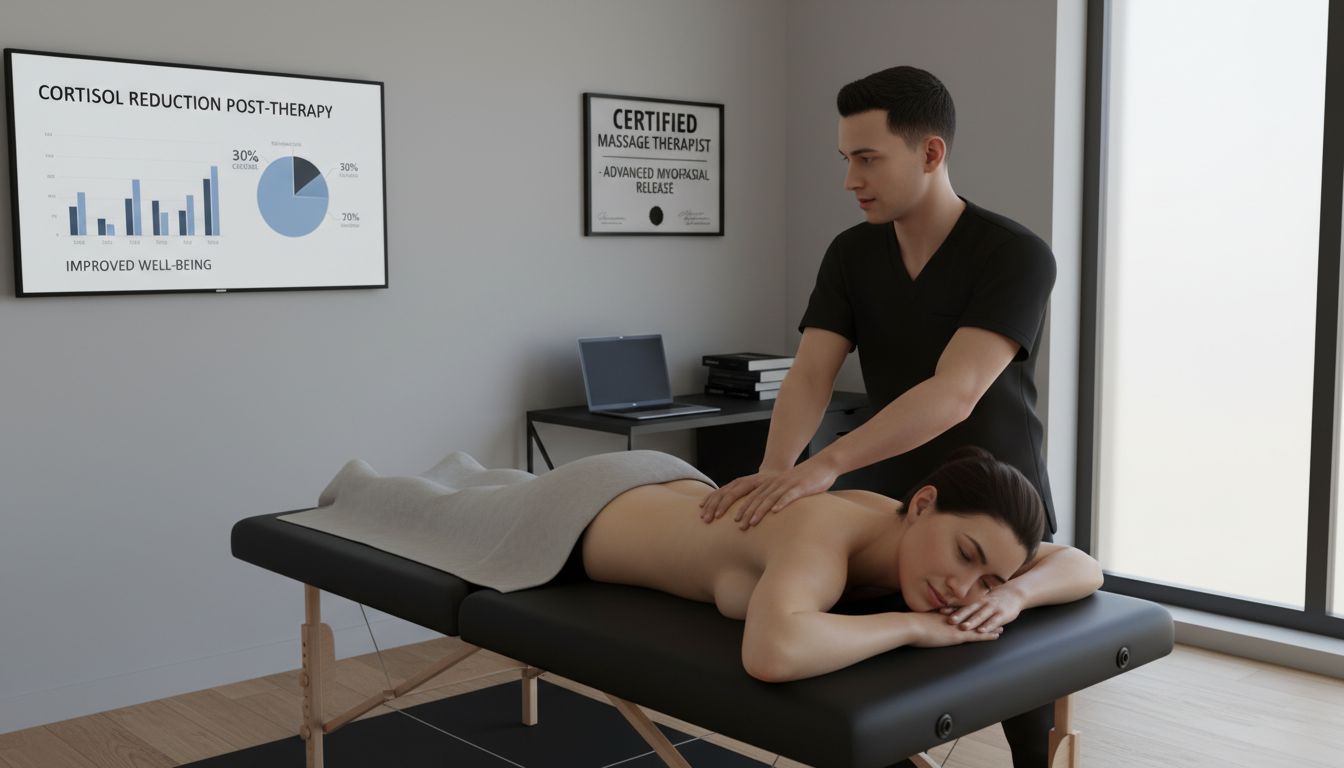 PubMed research examining stress reduction among healthcare professionals reveals that massage can significantly alleviate occupational stress, making it an invaluable intervention for high-pressure work environments.
Physical and Psychological Benefits of therapeutic massage extend far beyond momentary comfort. The body responds to skilled touch through complex neurological and physiological mechanisms that trigger deep healing responses. Muscle tension dissolves, circulation improves, and the nervous system shifts from sympathetic (fight-or-flight) to parasympathetic (rest-and-digest) states. Another fascinating study from PubMed exploring aromatherapy massage combined with music therapy demonstrated remarkable reductions in stress and anxiety levels, particularly among emergency healthcare workers.
Key proven benefits of therapeutic massage include:
- Reducing cortisol and stress hormone levels
- Improving immune system functionality
- Enhancing sleep quality
- Decreasing muscle tension and chronic pain
- Boosting mood and emotional regulation
- Supporting mental health and reducing symptoms of depression
- Promoting faster physical recovery and healing
For those seeking a deeper understanding of how massage contributes to overall wellness, our guide to therapeutic massage benefits offers comprehensive insights into the transformative power of intentional, skilled bodywork.
Common Myths and Misconceptions About Massage
Massage therapy is surrounded by numerous misconceptions that can prevent people from experiencing its genuine therapeutic benefits. Time highlights an important nuance in massage research: while the placebo effect plays a role, substantial evidence supports massage’s real health advantages, similar to how exercise benefits the body. Understanding these myths can help individuals make informed decisions about incorporating massage into their wellness routine.
Common Misconceptions often stem from misunderstandings about massage’s scope and effectiveness. Many people believe massage is merely a luxury or that its benefits are purely psychological. In reality, massage is a scientifically-supported therapeutic intervention with measurable physiological impacts. Wikipedia cautions that while massage techniques like Shiatsu are generally safe, they are not cure-all treatments and should not be viewed as replacing professional medical care.
Popular myths about massage include:
- Massage is only for relaxation
- More painful massages are more effective
- Anyone can perform a therapeutic massage
- Massage works instantly for all conditions
- Massage is dangerous or can cause serious harm
- All massage techniques are the same
- Massage is only for athletes or people with injuries
For those curious about navigating massage therapy expectations and understanding the nuanced reality behind these misconceptions, our guide to massage therapy expectations provides comprehensive insights into what you can genuinely expect from professional massage treatment.
Choosing the Right Massage for Your Needs
Selecting the most appropriate massage technique requires a nuanced understanding of your individual wellness goals and physical condition. Integrative Healthcare outlines four primary massage modalities that can effectively address different stress management needs: Swedish Massage, Head Massage, Aromatherapy Massage, and Deep Tissue Massage. Each technique offers unique benefits, making the selection process a personalized journey of self-care and healing.
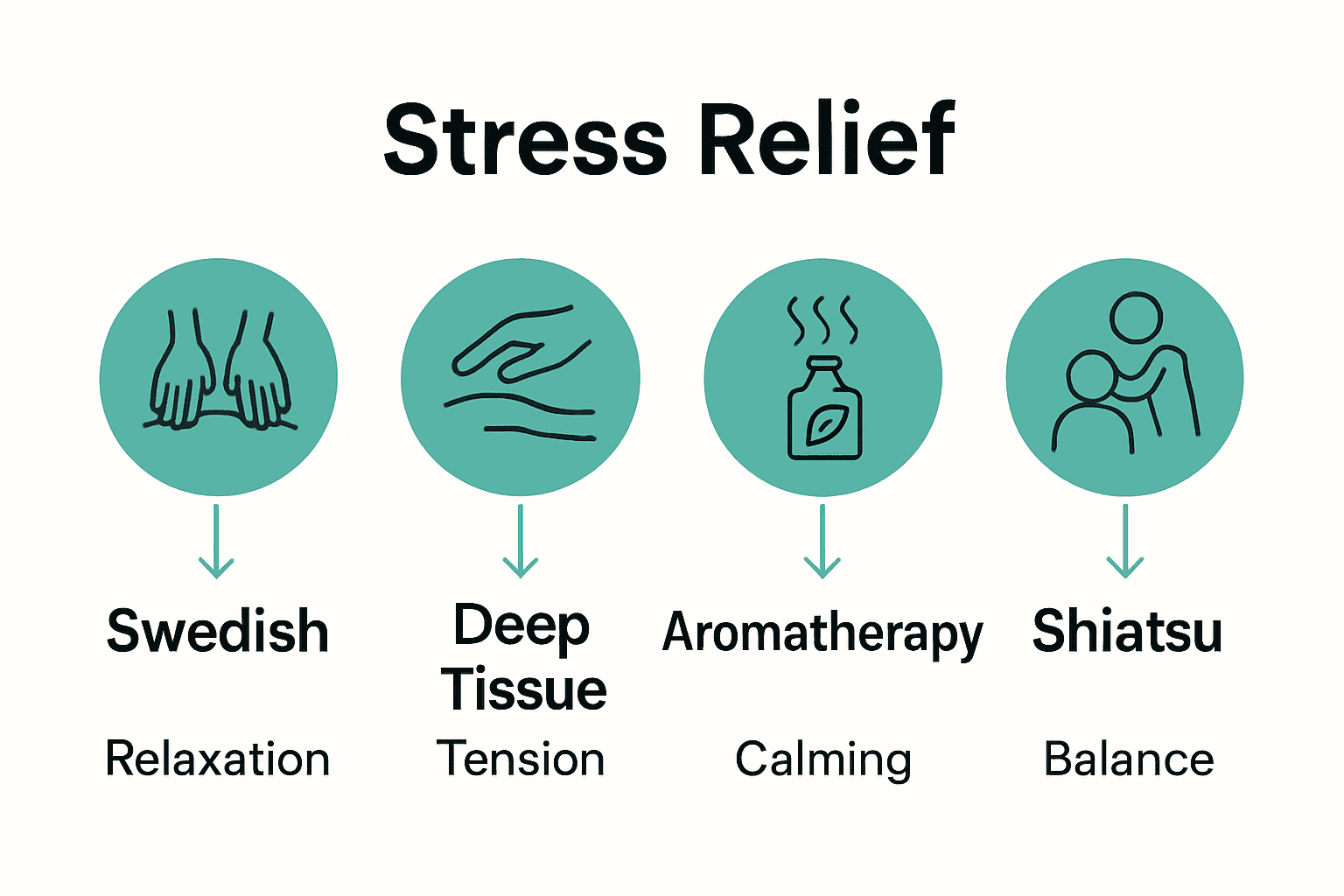
Massage Selection Considerations go beyond simple preference. Swedish Massage provides gentle, flowing strokes ideal for overall relaxation and stress reduction. Head Massage targets specific tension points in the scalp and neck, offering intense relief for those experiencing mental strain. Aromatherapy Massage combines therapeutic touch with essential oils, engaging multiple sensory pathways for enhanced emotional balance. Deep Tissue Massage penetrates deeper muscle layers, making it perfect for individuals with chronic tension or physical discomfort. Wikipedia also highlights alternative techniques like Shiatsu, a Japanese bodywork method focusing on energy balance through finger pressure and joint manipulation.
Key factors to consider when choosing a massage include:
- Current stress levels
- Physical tension and pain areas
- Sensitivity to touch
- Specific health conditions
- Personal comfort preferences
- Desired therapeutic outcomes
- Emotional and mental state
To navigate the complex landscape of massage techniques and find your perfect match, our guide to massage technique differences offers comprehensive insights to help you make an informed decision tailored to your unique wellness journey.
Discover Lasting Stress Relief with Verdure Registered Massage Therapy
Chronic stress affects both your body and mind, leaving tension and fatigue that can feel impossible to shake. This article highlights how proven massage techniques like Swedish Massage and Deep Tissue work to lower cortisol, ease muscle tension, and restore balance. If you are ready to move beyond temporary relief and address your stress at its root, Verdure Registered Massage Therapy offers personalized treatments designed specifically for your unique needs. Our experienced therapists combine skilled hands with a holistic approach to help you achieve real wellness and relaxation.
Take control of your stress today by exploring the range of therapeutic services at Verdure Registered Massage Therapy. Learn about the benefits of therapeutic massage and how different massage techniques can support your mind and body. Book your session now and start your journey toward deeper relaxation and lasting stress relief with expert care at Verdure.
Frequently Asked Questions
What are the benefits of massage for stress relief?
Massage offers numerous benefits for stress relief, including lowering cortisol levels, reducing muscle tension, enhancing mood, improving sleep quality, and promoting overall relaxation.
How often should I get a massage for effective stress management?
For optimal stress management, it is recommended to receive consistent massages, such as 50-minute sessions twice a week, to experience significant stress reduction and improvements in overall well-being.
What types of massage techniques are most effective for stress relief?
Effective massage techniques for stress relief include Swedish Massage for relaxation, Head Massage for mental clarity, Aromatherapy Massage for emotional balance, and Deep Tissue Massage for chronic tension relief.
How does massage affect the nervous system and stress response?
Massage therapy helps shift the nervous system from a sympathetic (fight-or-flight) state to a parasympathetic (rest-and-digest) state, promoting relaxation, reducing anxiety, and enhancing the body’s natural healing processes.
Recommended
- 7 Essential Relaxation Techniques List for Stress Relief – Verdure Registered Massage Therapy
- Massage for Stress Management: Step-by-Step Relief Guide – Verdure Registered Massage Therapy
- Complete Guide to Relaxation Massage Techniques – Verdure Registered Massage Therapy
- Understanding Massage Styles for Relaxation and Wellness – Verdure Registered Massage Therapy